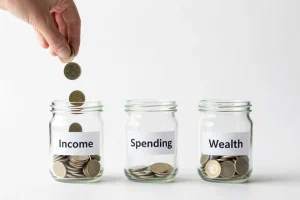

Let’s be real: your financial situation probably needs some TLC, and 2026 is the perfect excuse to finally do something about it. Whether your bank account is crying for help or you just want to level up your money game, it’s time for a serious financial glow up. Think of this as your money’s makeover montage, minus the dramatic music and questionable before photos.
Why 2026 Is Your Year to Get Your Money Right
Look, you could’ve done this last year. Or the year before that. But you didn’t, and honestly? That’s fine. What matters is that you’re here now, ready to stop letting your money control you and start controlling your money instead.
The beginning of a new year gives you that psychological fresh start everyone craves. Your brain loves a clean slate, and there’s something about those round numbers that makes you feel like anything is possible. Plus, you’ve probably already broken your other New Year’s resolutions, so why not pivot to something that’ll actually improve your life?
Here’s the thing about financial glow ups: they’re not just about having more money. They’re about reducing stress, creating opportunities, and building the life you actually want. When your finances are a mess, everything feels harder. When they’re sorted? You sleep better at night. Trust me on this one.
Audit Your Financial Hot Mess (Without Crying)
First things first: you need to know where you stand. I know, I know. Looking at your spending habits feels about as fun as getting a root canal while watching paint dry. But you can’t fix what you won’t face.
Pull Out All Your Financial Skeletons
Grab a coffee (or something stronger, no judgment) and gather everything:
- Bank statements from the last three months
- Credit card statements, all of them
- Subscription services you forgot you’re paying for
- Outstanding debts and their interest rates
- Investment accounts gathering dust
- That random savings account from college
Now calculate your actual numbers. What’s coming in versus what’s going out? Where’s your money actually going? You might discover you’re spending $200 a month on food delivery or still paying for that gym membership you haven’t used since 2023. Brutal, but necessary.
Face Your Debt Dragon
Debt isn’t a moral failing, but ignoring it definitely won’t make it disappear. Write down every debt you have, the interest rate, and the minimum payment. This list is your battle plan. Looking at the total might sting a little (or a lot), but knowing the exact number gives you power over it.
Build a Budget That Doesn’t Make You Miserable

Hot take: most budgets fail because they’re unrealistic torture devices that suck all the joy out of life. You’re not going to suddenly stop spending money on things you enjoy, so stop pretending you will.
The goal here is creating a spending plan that reflects your actual life and priorities. Yeah, I said spending plan. “Budget” sounds like punishment, and we’re not doing that anymore.
The 50/30/20 Rule (With Wiggle Room)
This framework works for a lot of people, but feel free to adjust:
- 50% for needs: Rent, utilities, groceries, insurance, minimum debt payments
- 30% for wants: Entertainment, dining out, hobbies, that ridiculous coffee habit
- 20% for savings and extra debt payments: Emergency fund, investments, paying down debt faster
If your rent eats up 40% of your income by itself, you’ll need to adjust these percentages. The point is having a general framework, not following arbitrary rules that don’t fit your reality.
Automate Everything You Can
Future you is lazy. Present you is also lazy. Let’s work with this instead of against it. Set up automatic transfers to savings the day after you get paid. Automate bill payments. Automate investment contributions. Remove the need for willpower, because willpower is a finite resource and you’ll probably need it for resisting online shopping at 2 AM.
Emergency Fund: Your Financial Security Blanket
Nothing screams “I have my life together” quite like having money set aside for when things go sideways. And things will go sideways. Your car will need repairs, your laptop will die at the worst possible moment, or you’ll need an emergency root canal.
Start with $1,000 as your mini emergency fund. That’s enough to handle most surprise expenses without reaching for a credit card. Once you’ve got that, build toward three to six months of expenses. Yeah, that sounds like a lot. Start small and celebrate every milestone.
FYI, this money needs to live somewhere accessible but not too accessible. A high-yield savings account works perfectly. You want to be able to grab it in an emergency, but not so easily that you “borrow” from it for concert tickets.
Tackle Your Debt Like a Boss
Time to slay that debt dragon we talked about earlier. You’ve got two main strategies here, and both work. Pick the one that fits your personality.
The Avalanche Method
This is the mathematically optimal approach. Pay minimums on everything, then throw extra money at the debt with the highest interest rate. Once that’s gone, move to the next highest rate. You’ll save the most money on interest this way.
Sounds great on paper, but it can feel slow if your highest-interest debt is also your biggest one.
The Snowball Method
Pay minimums on everything, but attack your smallest debt first. When that’s gone, take that payment and add it to the next smallest debt. The momentum feels amazing, and those quick wins keep you motivated.
IMO, motivation beats mathematical perfection when it comes to actually following through. Pick whatever method will keep you going when paying off debt starts feeling like a never-ending slog.
Level Up Your Income Game
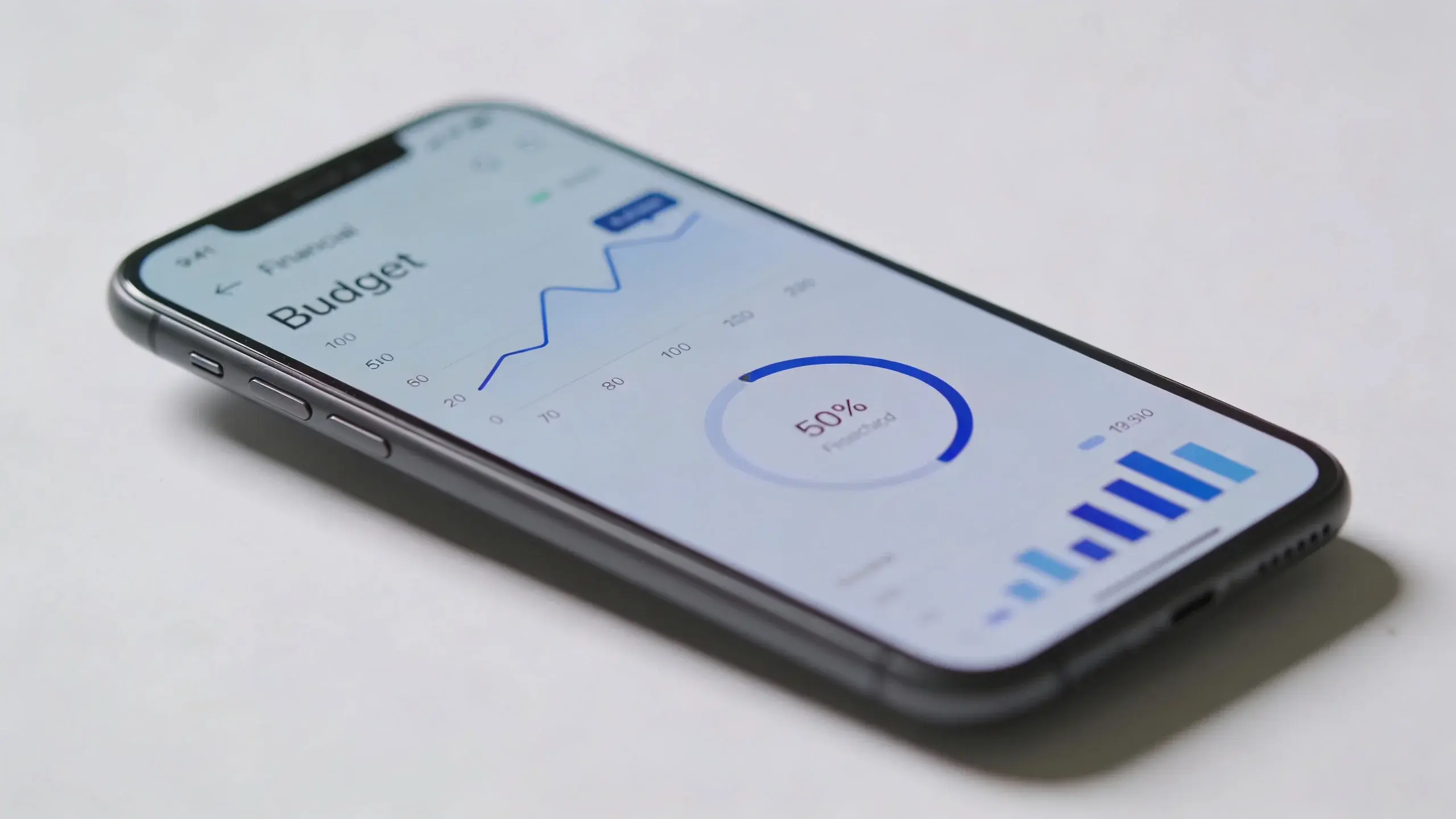
Cutting expenses only gets you so far. Eventually, you need to think about bringing in more money. This doesn’t necessarily mean getting a second job and working yourself into the ground.
Think about what you’re already good at. Can you freelance? Sell stuff you don’t use? Turn a hobby into side income? Ask for a raise at your current job? A lot of people leave thousands on the table because they never negotiate or ask for what they’re worth.
Your earning potential is your biggest wealth-building tool. Investing in skills that increase your income pays dividends for decades. Take that course, get that certification, learn that software. Future you will send thank-you notes.
Invest in Your Future Self
Saving money is great. Investing money is better. Your money sitting in a regular savings account is actually losing value thanks to inflation. You need your money to work for you, not just sit there looking pretty.
Start With Retirement Accounts
If your employer offers a 401(k) match, contribute at least enough to get the full match. That’s literally free money, and turning down free money is just silly. From there, consider opening a Roth IRA if you’re eligible.
Don’t get paralyzed by trying to pick the perfect investments. Simple, low-cost index funds work great for most people. You’re not trying to beat the market. You’re trying to participate in it and let compound interest do its magic over time.
Think Beyond Traditional Investing
Investing in yourself counts too. Your health, your education, your skills, your relationships. These all have financial implications, even if they don’t show up in a brokerage account. Sometimes the best investment is therapy, or a better mattress, or moving closer to work to save commute time.
Frequently Asked Questions
How do I stick to my budget when unexpected expenses keep popping up?
Plot twist: those “unexpected” expenses are actually pretty expected. Cars need maintenance. Birthdays happen every year. Your phone will eventually need replacing. Build a “stuff happens” category into your budget. Set aside money each month for irregular but predictable expenses. When they hit, you’re prepared instead of scrambling.
Should I focus on saving or paying off debt first?
Both, but prioritize that starter emergency fund first. Get $1,000 saved so you don’t go further into debt when something breaks. Then attack high-interest debt aggressively while building your emergency fund to three to six months of expenses. Low-interest debt like mortgages or student loans can take a back seat to investing once you’ve handled the high-interest stuff.
I barely make enough to cover my bills. How can I possibly save money?
This is tough, and anyone who tells you it’s easy isn’t being real with you. Start microscopic. Save $5 a week. Sell stuff you don’t need. Look for ways to cut your biggest expenses, even by a little. Apply for assistance programs if you qualify. Focus on increasing your income as your primary strategy. And remember that being broke isn’t a personal failing. The system is genuinely rough out there.
How much should I have saved before I start investing?
Get that emergency fund to at least three months of expenses first, unless your employer offers a 401(k) match. Always grab the match immediately. But beyond that, shore up your financial foundation before you start playing the investment game. Investments go up and down. You can’t pay rent with stocks you’d have to sell at a loss.
What apps or tools actually help with money management?
YNAB (You Need A Budget) is fantastic if you want hands-on budgeting. Mint works for tracking if you prefer something free and automatic. Personal Capital is great for seeing your whole financial picture. For investing, Fidelity, Vanguard, or Schwab all offer low-cost options. Try a few and see what doesn’t make you want to throw your phone across the room.
How do I stop impulse buying and emotional spending?
Use the 48-hour rule for non-essential purchases over a certain amount (you decide the threshold). Add it to your cart and walk away. If you still want it in two days and it fits your budget, buy it. Delete shopping apps from your phone. Unsubscribe from marketing emails. Remove saved payment info from websites. Make impulse buying inconvenient, and you’ll do it less. Also, figure out what emotions trigger your spending and find healthier coping mechanisms.
Your Money Glow Up Starts Now
Look, getting your finances together isn’t going to happen overnight. This is a marathon, not a sprint, and you’re going to mess up along the way. You’ll overspend some months. You’ll lose motivation. You’ll wonder if any of this matters.
But here’s the truth: every small step counts. Every dollar you save or invest is a dollar working for your future. Every debt payment is progress. Every time you choose your financial goals over instant gratification, you’re becoming the person who has their money together.
Your financial glow up doesn’t require perfection. It requires consistency and a commitment to doing better than you did yesterday. Start with one thing from this article. Just one. Master it, then add another. Before you know it, you’ll look back and barely recognize your old financial life. And honestly? That’s exactly the point. Now go reset your money and make 2026 the year everything changed.
Ready to Build Your Freedom Lifestyle? If you want more simple, actionable tips to strengthen your finances and design a life with more freedom, subscribe to Cash Clarity Finance. You’ll get weekly guidance to help you save smarter, invest with confidence, and build a lifestyle that feels good today and in the long run. Start your journey with one small decision. Your future self will thank you.