
I bet you’ve stared at your bank account and wondered where the heck your money vanished. Guess what? A 30-day no spend challenge could be the wake-up call you didn’t know you needed. No doom-and-gloom, just a reset button for your wallet and a sprint toward smarter habits. Ready to give your finances a little brakes-and-ballet? Let’s dive in.
What a 30-Day No-Spend Challenge Actually Is
So, what are we signing up for here? A 30-day stretch where you resist non-essential spending and focus on what you already own, plus a few clever hacks to keep you sane. The rules aren’t about deprivation; they’re about highlighting where your money leaks, then plugging those leaks with intention.
Think of it as a personal audit with a cash-flow twist. You’ll still pay for essential stuff (rent, groceries, bills) and you can plan one “tolerated” purchase if needed. The goal is to show you what you can live without and maybe what you really value.
Rules That Actually Work (and don’t feel like a punishment)
This is where the rubber meets the road. A few practical boundaries keep the chaos at bay without turning your life into a monk’s retreat.
- No non-essential purchases for 30 days. If it isn’t urgent and you can’t list a solid need, skip it.
- Essentials only, rent, utilities, groceries, transportation, and basic healthcare. Everything else goes on pause.
- One allowed purchase every week for a specific category (like groceries or a hobby kit) to avoid feeling totally deprived. Choose something small and worthwhile.
- Track every dollar you would have spent. It’s not punitive; it’s data. You’ll uncover patterns you’ve ignored.
- Plan ahead with a simple weekly menu and a shopping list. Out-of-sight, out-of-spontaneity really helps.
- No sneaky substitutes like magically counting a “free trial” as a win. If it isn’t free, it isn’t free to you that month.
Printable Plan: Your 30-Day Roadmap
A plan you can print out helps keep your eyes on the prize. Here’s a simple, printable framework you can reuse for future challenges.
- Goal setting (Day 1): Write down why you’re doing this. A crisp why keeps you motivated when the couch looks extra cozy.
- Budget snapshot (Day 2): List essential categories and a hard monthly total you won’t exceed. Know your floor and ceiling.
- Weekly menus & errands (Day 3): Plan meals and necessary trips. The fewer trips to the store, the fewer chances to break rules.
- Spending diary (Every day): Jot down what you would have bought and what you actually did instead. Quick notes are enough.
- One “tolerated” purchase (End of Week 1 and Week 3): If you truly need something, you can get it with purpose, no impulse buys.
- Review & adjust (Week 2 & Week 4): Look at patterns, celebrate wins, and tighten any weak spots.
📄 Download the Printable 30-Day No Spend Plan
Smart Hacks to Make It Feel Easy
A no-spend challenge can feel hard if you don’t have a few tricks up your sleeve. Here are the moves that actually help.
Make a List, Then Leave the Store
Before you shop, write a strict list. Then stay in the car, on the couch, or at the doorway if you must. The moment you see a shiny, non-essential product, your brain goes “new and better!” Don’t feed that impulse.
Use Cash for a Reality Check
If you typically swipe, try using cash for groceries and essentials. When the cash hits zero, you’ll feel the limit. FYI, it’s stunning how fast you become choosy about what actually deserves your money.
Batch Your Needs
Group errands to one trip a week. It saves gas, reduces impulse buys, and makes your day less chaotic. If you’re procrastinating, that’s a built-in excuse to just do it already.
Create a “Why” Wall
Post-it notes with your core reasons for the challenge. Read them when motivation drips. It’s amazing how a tiny reminder can flip the switch from “I want now” to “I want later.”
Deeper Dive: Common Pitfalls and How to Beat Them
Hitting a snag is normal. Here are the slippery spots and practical ways to sidestep them.
Emotional Spending
We’ve all bought a sweater after a bad day or a gadget after a stressful week. Strategy: when emotions spike, switch to a low-cost ritual (walk, coffee with a friend, a quick workout). If you still crave the item after 24 hours, revisit it with a cooler head.
Keeping Social Life Cozy
Not spending doesn’t mean you stop hanging out. Switch to low-cost or free activities: hikes, game nights, potlucks. You’ll save money and maybe discover new favorite activities.
Tech Traps
Streaming, apps, and deals pop up like mushrooms after rain. Disable auto-renewals, unsubscribe from promo lists, and set a five-minute rule before any online purchase. If you still want it after five minutes, revisit with a clearer mind.
Budget-Friendly Alternatives You’ll Love

You don’t have to live like a hermit to do a no-spend month. Here are substitutes that keep you entertained and sane.
- Borrow, don’t buy: libraries, coworking spaces with free trials, tool libraries.
- DIY weekend projects: repurpose, repair, or upcycle your current stuff.
- Free or cheap venues: community events, nature walks, museum days with free hours.
- Skill barter: swap services with friends, repair a bike in exchange for music lessons.
Tracking Wins and Keeping Momentum
Numbers help, but the real juice is in momentum. Celebrate small wins, not just the big “I saved X this month” moments.
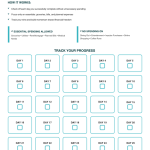
- Daily wins: Cross off a box for every day you avoided an unnecessary purchase.
- Weekly recap: Note your best money-saving tactic of the week and plan to repeat it.
- StrongMood check: Rate how you feel about money on a scale from 1 to 10. If your mood dips, tweak the plan, still no spending, just smarter spending later.
FAQ
Is a 30-day no-spend challenge realistic for busy people?
Absolutely. It’s easier when you tailor rules to your life. Start with a softer version: essential spending only, plus one small weekly indulgence. You can scale back or expand once you’ve built the habit.
What if I need something essential mid-month?
Plan on a one-time, documented exception. It should be a true need, not a want. Record it, justify it, and keep the receipt so you can review later where your money would have gone.
How do I handle gifts or birthdays during the challenge?
If possible, swap gifts for experiences you already own (a movie night at home, a homemade coupon for a favor, a shared activity). If giving a physical gift is non-negotiable, budget it in as part of your “tolerated” purchases with clear limits.
What’s the best way to stay motivated after the challenge ends?
Carry the best lessons forward: keep a simple weekly budgeting ritual, track small wins, and keep your “why” visible. Consider a monthly no-spend week as a recurring reset, not a one-off event.
Can I customize the challenge for longer or shorter than 30 days?
Definitely. Start with 14 or 21 days if that feels more doable, then scale up. The core idea is habit formation, not rigid timing.
Do I need a fancy app or toolkit?
Not at all. A printable plan, a notebook, and a spreadsheet work wonders. If you love apps, use them to nudge you toward your goals, just don’t let them justify new purchases.
Real Talk: What You Might Learn About Yourself
Here’s what tends to surprise people when they do this with honesty (and a dash of humor).
– You discover how often you buy things you don’t really need, just because a sale sounded like a deal, not a decision. FYI, most “deals” are just your brain finding a quick dopamine hit.
– You realize the true value of your time. Couponing and chasing bargains sound noble, but the time you invest might be worth more than the savings.
– You redefine “treat yourself.” Often the best treats aren’t stuff; they’re micro-investments in you, like a five-minute stretch, a walk outside, or a good night’s sleep.
Conclusion: The 30-Day Sprint That Refuels Your Finances
A 30-day no-spend challenge isn’t about denying yourself joy. It’s about clarifying what actually matters and gaining momentum toward smarter choices. When the month ends, you’ll likely notice not just a fatter bank balance, but a sharper sense of where your money goes and why.
If you’re ready to try, print out the plan, grab a buddy to join you, and make the first day your personal launch. The goal isn’t perfection; it’s practice. And practice, like any good sport, makes you better. So, are you in for a clean slate that actually sticks?
Want honest, straightforward financial advice? Subscribe to the Cash Clarity Finance newsletter where I help you make smart money decisions.