
Trying to figure out your finances in your 20s? I get it. Between student loans, trying to save, and thinking about investing, it can feel like a lot. The good news is you don’t need to have it all figured out. A few powerful personal finance books can give you the clarity and confidence to make smart money moves.
In this post, I’m sharing the best finance books for your 20s that helped me (and millions of others) learn how to manage money without the overwhelm.
Why Reading Personal Finance Books in Your 20s Is a Game Changer?
Your 20s are a sweet spot: you have time, flexibility, and even if it doesn’t feel like it yet the ability to set yourself up for massive success.
The earlier you start learning about money, the more options you’ll have later. Books can show you how to:
- Avoid debt traps
- Build a budget that works for your life
- Start investing with confidence
- Shift your mindset from scarcity to abundance
- Make smarter money decisions without guilt or shame
What Makes a Great Finance Book in Your 20s?
A solid finance book in your 20s shouldn’t feel like homework. The best ones speak your language, break down complex ideas into something you can actually use, and don’t shame you for where you’re starting.
Look for books that:
- Focus on real-life application, not just theory
- Respect your starting point (whether you’re broke or building)
- Help you build long-term habits, not just short-term wins
- Shift how you think about money, not just how you spend it
Books that do this well don’t just teach you how to budget, they change how you view your worth, time, and potential. If you’re wondering where to start, here are five personal finance books that have stood the test of time and made a real impact on how I think about and manage my money.
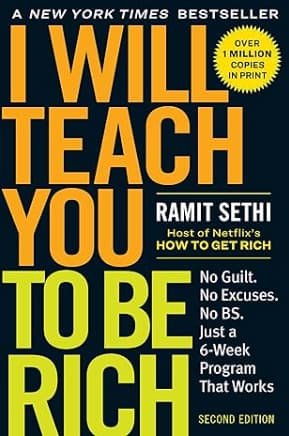
1. I Will Teach You to Be Rich — Ramit Sethi
Why I recommend it: This book is like a crash course in real-life money management. Ramit breaks down budgeting, saving, investing, and even how to talk to your partner about money. It’s direct, fun to read, and doesn’t guilt-trip you.
Best for: Learning the basics without feeling judged.
What stuck with me: Automating your finances is one of the easiest ways to build wealth.
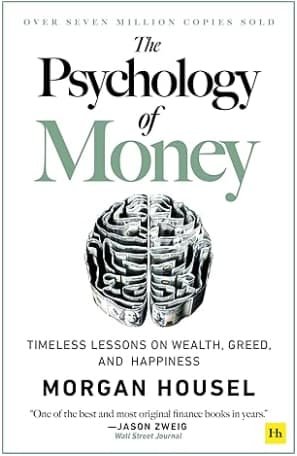
2. The Psychology of Money — Morgan Housel
Why I recommend it: This one hits different. It’s not about how to budget, but how to think about money. It teaches you that financial success is more about behavior than knowledge.
Best for: Shifting your money mindset and understanding the emotions behind your decisions.
What stuck with me: Wealth is what you don’t see, the money you choose not to spend.
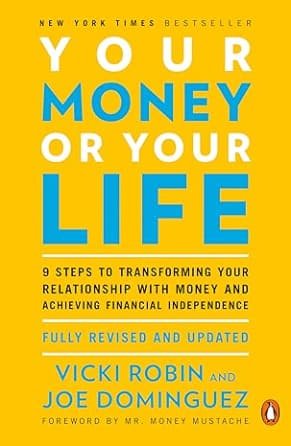
3. Your Money or Your Life — Vicki Robin & Joe Dominguez
Why I recommend it: This book changed the way I see time and money. It challenges you to ask if how you spend money is really how you want to spend your life energy.
Best for: People who want to be more intentional with their spending.
What stuck with me: Every dollar you spend is a trade-off with your time and values.
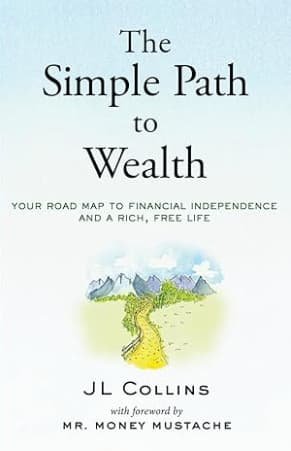
4. The Simple Path to Wealth — JL Collins
Why I recommend it: If you’ve ever felt confused about investing, this book will calm you down. It’s clear, simple, and shows you exactly how to build long-term wealth without needing to be a stock market expert.
Best for: Anyone ready to start investing without the overwhelm.
What stuck with me: Index funds and chill is a real strategy.
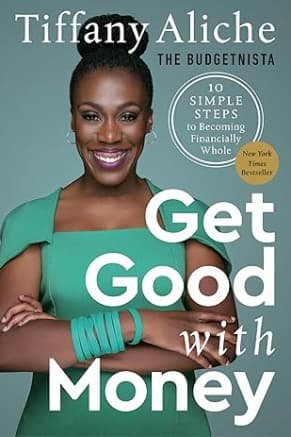
5. Get Good with Money — Tiffany Aliche (The Budgetnista)
Why I recommend it: Tiffany lays out a 10-step plan for financial wholeness, not just wealth. She keeps it real and makes everything feel doable, no matter where you’re starting from.
Best for: Building a strong foundation and feeling empowered around money.
What stuck with me: Progress with money doesn’t have to be perfect, it just has to be consistent.
How I Personally Applied What I Learned
Reading finance books is one thing, applying them is where the magic happens.
For me, I Will Teach You to Be Rich was the one that gave me the confidence to automate my savings and stop feeling guilty about every purchase. I set up a weekly auto-transfer to my savings, and suddenly saving wasn’t this big emotional task anymore,it just happened in the background.
After reading The Psychology of Money, I realized how much fear was driving my financial choices. I started pausing before impulse spending and asking, “Is this aligned with the life I want?” That one habit saved me hundreds in the first few months.
It’s not about doing it perfectly. It’s about finding one idea and using it.
Your 30-Day Challenge: Read 1 Book, Apply 1 Change
Here’s a simple challenge that can change your financial life:
1. Pick one book from this list.
Choose the one that speaks to you most right now.
2. Give yourself 30 days to read it.
Break it down into chapters. No pressure.
3. Apply just one idea from it.
Maybe you open a high-yield savings account. Maybe you track your spending. Maybe you just forgive yourself for past money mistakes.
That’s it, one book, one shift, real results.
FAQ: Finance Books in Your 20s
What’s the best book if I’m just starting with money?
Start with I Will Teach You to Be Rich or Get Good with Money. They break things down without making you feel dumb.
Do I need to read all these?
Nope. Pick one that fits your vibe and your goals. One good book applied is better than 10 books skimmed.
Can I find these books as audiobooks or on Kindle?
Yes, most are available on Audible and Kindle. Some libraries even offer them free via Libby.
What if I hate reading?
Try audiobooks. Listen while walking, commuting, or cleaning. Finance podcasts can be great too but books go deeper.
Should I buy the physical book or read it digitally?
Whatever makes it easier to finish. Physical books are great for highlighting. Kindle versions are great for notes and portability. Just choose the format that fits your lifestyle.
Why These Books Still Matter Today?
With so much content out there,TikToks, YouTube channels, podcasts, you might wonder if books still matter. But there’s something powerful about sitting down with a focused, well-written book that cuts through the noise. These books aren’t just packed with tips,they shape your mindset, help you build systems, and give you frameworks that actually last.
Think of books as your quiet coaches. They don’t chase views or likes. They’re built to help you think deeper and take action. Even years after I first read some of these, I still come back to a few pages when I need a reset.
Whether you’re just getting started with budgeting or already thinking about investing, the right book can meet you where you are and guide your next move. It’s not about information, it’s about transformation.
Final Thoughts: One Book Can Spark a Big Shift
Learning about money in your 20s isn’t about becoming obsessed with saving every penny. It’s about giving yourself the options and freedom to live life on your terms.
Pick a book, start reading, and apply one small change. That’s how it starts, that’s how you build.
And if you want to take the next step, check out How to Build a Beginner Budget Even If You Hate Numbers or The Best Budgeting Apps for Beginners to get practical tips and tools that work.
Let’s keep it going!
Have you read any of these books? Got one that helped you level up your money game? Drop it in the comments, I’m always looking for new reads to add to the list.