

If you’ve been wondering how to build a beginner budget but feel overwhelmed just thinking about it, you’re not alone. The word “budget” can sound boring, restrictive, and honestly… kind of stressful. Especially if you’re not a numbers person or feel like your income isn’t even “budget-worthy” yet.
But here’s the thing. Budgeting isn’t about spreadsheets or cutting all the fun out of your life. It’s about taking control of your money so it stops controlling you. It’s a tool, not a punishment.
And if you’ve tried budgeting before and gave up, that’s okay. The problem isn’t you. It’s the confusing advice that makes it feel like a chore.
This post is your starting point. I’ll break down how to build a beginner budget in a way that actually makes sense, even if you hate math. You’ll walk away with a simple 3-step system to help you know where your money’s going and how to make it work for you.
What a Budget Really Is? (It’s Not What You Think)
Let’s clear something up right away. A budget isn’t a punishment, and it’s not some strict set of rules designed to suck the fun out of your life. It’s just a spending plan, a simple tool to help you see where your money is going so you can tell it where you actually want it to go.
Think of it like Google Maps for your money. If you don’t know your current location and you don’t set a destination, how are you supposed to get where you want to go?
The best part? You don’t have to be good at math or use complicated apps. A budget can be as simple as writing down what you earn, what you spend, and what’s left over, that’s it.
So don’t overthink it. This isn’t about being perfect, it’s about being aware.
The 3-Step Beginner Budget Formula
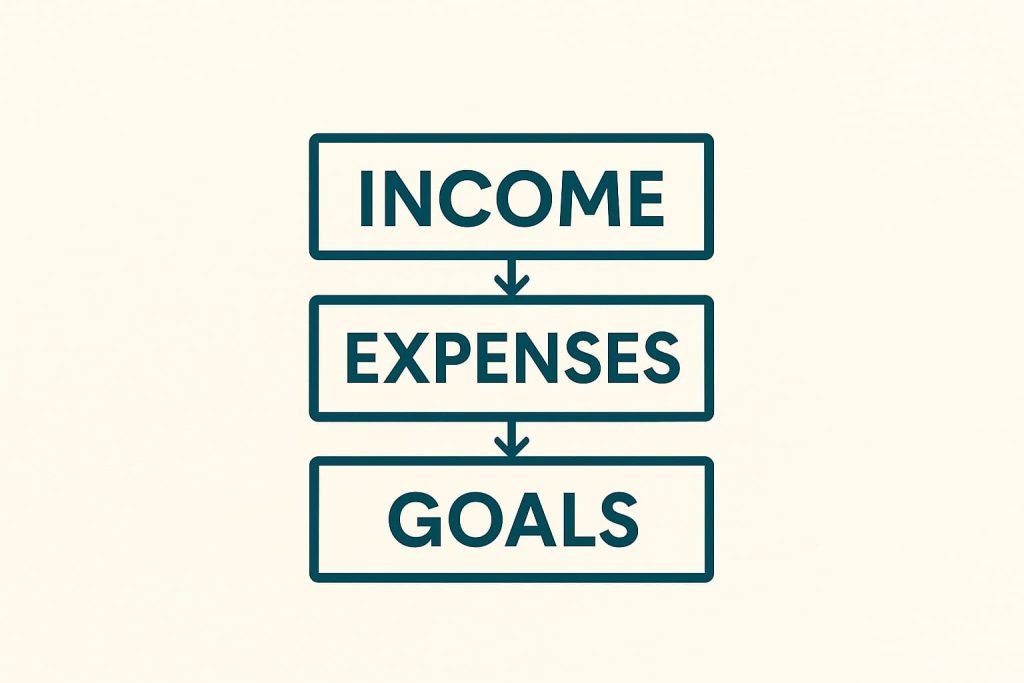
You don’t need a finance degree to build a solid budget. You just need to break it down into three simple steps. No fancy tools, no overthinking, just a clear look at what’s coming in, what’s going out, and what’s left to work with.
Step 1: Know What’s Coming In
Start with your income. How much money are you actually bringing in each month after taxes? This could be your paycheck, freelance gigs, tips, side hustle income, anything that hits your bank account.
Even if your income changes month to month, just write down the average. You need a starting point, not perfection.
Step 2: Track Where It’s Going
Now let’s look at your spending. Don’t stress about exact numbers yet. Just write down the basics:
- Rent or housing
- Groceries and eating out
- Transportation
- Subscriptions
- Fun stuff
You can use a notebook, your phone’s notes app, or even one of the best budgeting apps for beginners to make the process easier. The goal is to get honest about where your money is going, not to judge yourself.
Step 3: Give Every Dollar a Job
This is where the magic happens. Once you know what’s coming in and going out, decide what you want your money to do. You don’t need to follow a strict formula, but here’s a popular one:
- 50% for needs
- 30% for wants
- 20% for savings or debt
Adjust it based on your goals. Maybe saving $20 this month is a win. Maybe cutting one subscription gives you breathing room. The point is to be intentional with every dollar.
Budgeting Hacks for People Who Hate Math
If numbers make your eyes glaze over, you’re not alone. The good news is, you don’t need to be a spreadsheet wizard to stay on top of your money. Here are a few low-effort tricks that make budgeting easier and less overwhelming.
Use Tools That Do the Math for You
Apps like Mint, YNAB (You Need a Budget), or even a simple Google Sheets template can track everything for you. You just plug in your income and expenses, and the app handles the rest. You don’t have to be perfect, you just have to be aware.
Automate Whatever You Can
Set up automatic transfers to your savings account, even if it’s just $10 a week. That way, you don’t have to think about it. Same goes for bills. The less you have to manually track, the easier it feels to stay consistent.
Do a Weekly Money Check-In
Once a week, take five minutes to look at your bank account and ask yourself:
- Did anything surprise me?
- Am I spending in line with my goals?
- What do I want to adjust next week?
That’s it. No spreadsheets, no pressure, just a quick check-in to stay on track.
What to Do When You Fall Off Track
Look, no one sticks to their budget perfectly, life happens, you overspend one weekend, forget to track something, or just hit a rough month. That doesn’t mean you failed, it just means you’re human.
The key is to notice it, reset, and keep moving. Here’s how to bounce back without guilt:
Pause and Review, Not Panic
Instead of beating yourself up, just take a look at what happened. Where did your money go? What threw you off? Most of the time, it’s just one or two things that need a small tweak.
Adjust Your Plan
Maybe you had an unexpected expense. Or maybe your original budget didn’t reflect your real lifestyle. That’s okay. Adjust your numbers and give it another go. Budgeting isn’t about sticking to a rigid plan, it’s about learning what works for you.
Remind Yourself Why You Started
When it gets frustrating, remember your “why.” Whether it’s paying off debt, traveling more, or just not feeling broke every month, your budget is a tool to help you get there. Progress over perfection always wins.
Final Thoughts and a Challenge for You
Budgeting doesn’t have to be scary, complicated, or perfect. It just needs to make sense to you. It’s not about limiting your life, it’s about giving you more clarity, more freedom, and more control over where your money is going.
So here’s your challenge.
This week, try building your first beginner budget, Keep it simple:
- Write down your income
- List out your main expenses
- Set one small money goal
That’s it. No fancy apps, no pressure. Just one honest snapshot of where you’re at and where you want to go.
You’ve got this. And if you mess it up the first time? Welcome to the club, just keep going. Every step you take is progress.
If you found this post helpful, stick around!
Cash Clarity Finance is here to give you simple, real-world money tips that actually make sense for your life.
Subscribe to our newsletter for more smart money moves, side hustle ideas, and financial freedom inspiration.