
The digital nomad life looks incredible from the outside: working from a cafe in Lisbon, spending a month in Chiang Mai, catching a cheap flight to Tbilisi. But the financial reality behind that freedom? That part rarely makes it into the Instagram posts. This article will give you an idea of how to budget as a digital nomad.
If you’ve chosen this lifestyle, or you’re seriously considering it, budgeting as a digital nomad is genuinely different from managing money in a fixed location. Your costs shift constantly, your income might fluctuate, and the usual budgeting advice doesn’t always apply when your rent changes every few weeks. This guide walks through a practical approach to keeping your finances steady no matter where you land.
Why Standard Budgets Break Down on the Road
Most budgeting systems assume your expenses are predictable. You know what rent costs, your grocery store is familiar, and you’ve figured out the cheapest gym in your neighborhood. None of that applies when you’re moving between countries.
As a nomad, your costs can swing dramatically depending on where you are. A month in Vietnam might cost you $1,200 all in. A month in Switzerland could run four times that. Without a system that accounts for this variability, you can find yourself overspending in high-cost locations and not saving enough during the cheaper ones.
The goal isn’t to follow a rigid monthly budget. It’s to build a flexible framework that travels with you.
Start With Your Real Income Picture
Before you can budget anything, you need an honest look at what’s actually coming in. Nomad income often comes from freelance work, remote jobs, content creation, consulting, or some mix of all of these. Some of that income is steady; a lot of it isn’t.
A practical approach is to base your monthly budget on your lowest average income over the past six months, not your best month. This gives you a conservative baseline that prevents overspending during slower periods.
If your income varies widely, think of it in two categories:
- Baseline income: What you can reliably count on each month
- Variable income: Anything above that which you treat as a bonus, ideally directed toward savings or an emergency fund
Building your lifestyle around baseline income protects you when client work dries up or a project falls through.
The Core Spending Categories for Nomads
Your budget categories need to reflect how you actually spend money on the road. Here’s a framework that works well for most digital nomads:
- Accommodation: Often the largest variable cost, including short-term rentals, hostels, coliving spaces, or apartments
- Food and drink: Both groceries and eating out, which tends to be a bigger line item when you don’t have a full kitchen
- Transport: Flights, trains, buses, taxis, and local rides. Don’t forget visa runs if they apply to your situation.
- Work setup: Coworking memberships, coffee shop spending, data plans, and software subscriptions
- Health and insurance: Nomad health insurance is non-negotiable and often underestimated
- Savings and emergency fund: Treat this as a fixed expense, not an afterthought
- Fun and experiences: Travel isn’t just about working from a new location. Budget for it.
Tracking these consistently across different currencies gives you a clearer picture of where your money actually goes.
How to Build a Location-Aware Budget
One of the most effective things you can do is research the cost of living before arriving somewhere. Sites like Numbeo give reasonable estimates for accommodation, food, and transport in most cities. This lets you set a realistic spending target for each destination before you arrive, rather than guessing.
A useful mental model is to categorize destinations into tiers:
- Low-cost locations (Southeast Asia, parts of Eastern Europe, Latin America): Great for building savings or recovering from expensive months
- Mid-cost locations (Portugal, Mexico City, parts of South America): Sustainable for most nomad budgets with some planning
- High-cost locations (Western Europe, Japan, Australia): Require either higher income months or intentional short stays
Knowing which tier you’re entering helps you adjust before you arrive. If you’re heading somewhere expensive, plan to cook more, choose affordable accommodation, and limit tourist-trap spending. If you’re in a low-cost country, use it as an opportunity to pad your savings.
The Mindset Shift: Stop Thinking Monthly, Start Thinking Annually

Here’s something that changes how nomad budgeting feels: shifting from a monthly mindset to an annual one.
When you think monthly, an expensive month in London or Tokyo feels like a failure. When you think annually, that same expensive month is just one data point in a larger picture. If you spent $3,000 in Germany but only $900 in Georgia the month before, your average is still very workable.
This doesn’t mean ignoring expensive months. It means building a budget that plans for them deliberately. Set an annual spending target, track your running average as the year progresses, and adjust your next destination accordingly if you’ve overspent somewhere.
Nomads who thrive financially tend to think like this. They’re not white-knuckling through every expensive week. They’ve given themselves permission to spend more sometimes because they’ve planned to spend less other times.
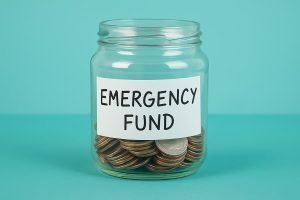
Emergency Fund Rules Are Different for Nomads
The standard advice is to keep three to six months of expenses as an emergency fund. As a nomad, you need to take this seriously because your emergencies can be expensive and unpredictable. A medical issue in a country with no public healthcare, a laptop dying mid-project, a visa rejection that forces an unplanned flight, an unexpected tax bill; these things happen.
Aim for at least three months of your average monthly spending kept in a liquid, accessible account that you don’t touch. If you’re freelancing with variable income, leaning toward five or six months is smarter.
Keep this fund separate from your regular spending account so the temptation to dip into it stays low.
Practical Tools That Actually Help
Managing a nomad budget doesn’t require complicated spreadsheets, though a simple one can work well. A few tools worth knowing about:
- Wise (formerly TransferWise): Excellent for holding multiple currencies and spending abroad with minimal fees
- Revolut: Good for currency exchange and tracking spending by category
- YNAB (You Need a Budget): Works well for nomads who prefer a structured system
- A simple notes app or spreadsheet: Sometimes the easiest option for logging daily spending by category
Whatever tool you pick, consistency matters more than the tool itself. Logging expenses daily takes about two minutes and gives you a much clearer picture than trying to reconstruct a month of spending from memory.
Don’t Forget These Easily Overlooked Costs
A few expenses catch nomads off guard, especially in the first year:
- Taxes: Depending on your home country, you may still owe taxes even while living abroad. This is worth researching based on your specific situation or speaking with a tax professional who works with expats.
- Visa and entry fees: These add up across a year of travel, especially for longer-stay visas
- ATM and banking fees: Worth solving early with the right bank account
- Annual subscriptions: Software, streaming, and membership costs that hit once a year and throw off monthly tracking
- Travel between locations: Frequent movers spend more on transport than they often budget for
Building a small buffer into your monthly budget, around 5 to 10 percent, helps absorb these irregular costs without stress.
Frequently Asked Questions
How much money do I need to start living as a digital nomad?
It depends heavily on your destination and lifestyle, but many nomads find that $1,500 to $2,500 per month covers a comfortable life in lower-cost countries. Higher-cost destinations or a preference for private apartments and frequent flights can push that to $3,500 or more. Having three to six months of expenses saved before you start gives you a strong safety cushion.
How do I handle taxes as a digital nomad?
Tax obligations vary significantly based on your citizenship and how long you spend in different countries. Many countries tax you on worldwide income if you’re a citizen, regardless of where you live. A tax professional who specializes in expat or nomad finances is worth the cost, especially in your first year.
What’s the best bank account for digital nomads?
Many nomads use a combination of a local bank account from their home country and an account with Wise or Revolut for international spending. Look for accounts with low or no foreign transaction fees, ATM fee reimbursements, and easy online management.
How do I budget when my freelance income is unpredictable?
Base your spending budget on your lowest reliable income, not your average or best month. When you earn more, direct the extra toward your emergency fund or savings rather than lifestyle upgrades. This smooths out the income variability over time.
Is it possible to save money while living as a digital nomad?
Yes, and many nomads find they save more than they did at home, especially when spending time in low-cost countries. The key is treating savings as a fixed monthly expense rather than something you do with whatever’s left over.
How do I avoid overspending when I move somewhere expensive?
Research costs before you arrive and set a spending target for that location. Cook more meals, choose accommodation wisely, and avoid back-to-back expensive destinations. Balancing high-cost stops with low-cost ones throughout the year keeps your annual average manageable.
Bringing It All Together
Budgeting as a digital nomad doesn’t mean living on the cheap or counting every penny from a spreadsheet. It means building a flexible, realistic system that moves with you and gives you confidence that your money situation is under control, even when your address changes every month.
The nomads who run into financial trouble usually skip the planning. The ones who make it work long-term treat their finances with the same care they give their travel plans. That balance between freedom and structure is what makes the lifestyle sustainable.
If you found this helpful, Cash Clarity Finance has plenty more practical guidance on managing money in ways that fit your real life, whether you’re traveling the world or working toward a financial goal closer to home.
If you found this helpful, you might also like:
- Why Simplicity Is the Most Underrated Financial Strategy
- How to Travel, Work Less, and Still Build Wealth: The Simple Blueprint for a Freedom Lifestyle
Ready to make smarter money moves? Explore more guides on side hustles, budgeting, investing, and building wealth right here. Join the Cash Clarity Finance Newsletter to get clear, actionable tips that help your money work for you.