
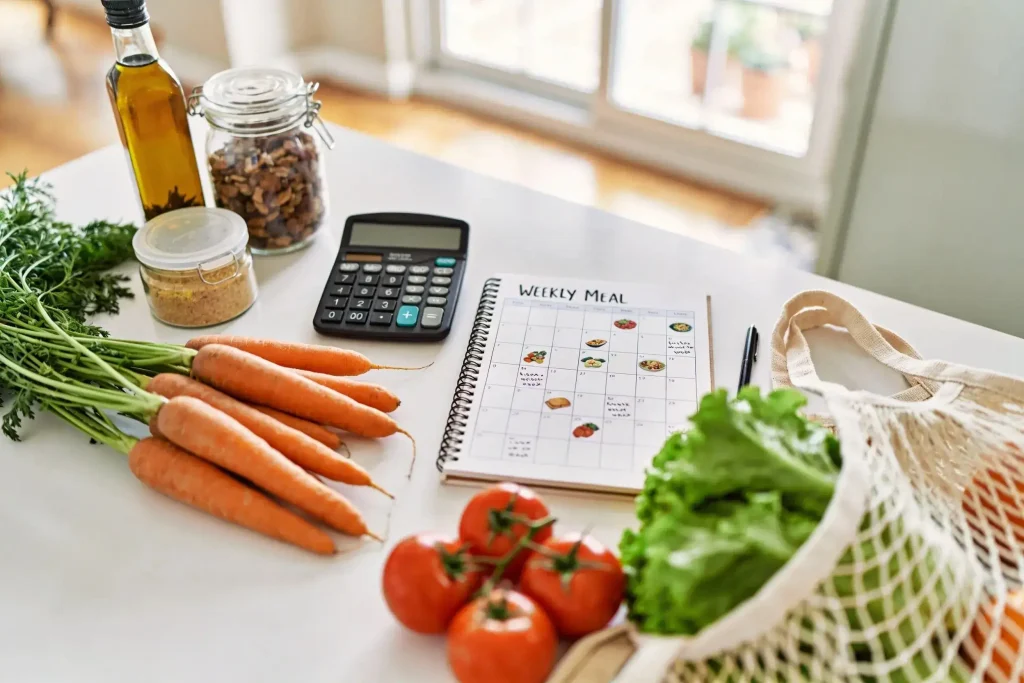
Let me be real with you: grocery shopping feels like a contact sport these days, and your wallet is taking the hits. Between price increases that make your eyes water and kids who suddenly decide they’re starving approximately every 45 minutes, feeding a family without going broke seems impossible. But here’s the good news: with a solid grocery budget plan, it’s totally doable, and you don’t need to live on ramen or spend your weekends clipping coupons like it’s 1995.
The Brutal Truth About Grocery Spending
Most families have absolutely no idea how much they actually spend on food each month. Seriously, grab your bank statements right now and add it up. I’ll wait.
Pretty shocking, right? That number includes all the random trips for “just milk” that somehow turned into $87 at checkout. It counts the takeout you grabbed because you were too tired to cook the groceries you already bought. And yeah, it includes those organic quinoa puffs your kid ate exactly twice before declaring them “gross.”
The average family of four drops anywhere from $900 to $1,300 per month on groceries, not counting restaurants. But with some strategic planning, you can cut that by 30-40% without your family staging a revolt.
Start With a Battle Plan (AKA Meal Planning)
Look, I get it. Meal planning sounds about as fun as doing your taxes. But this is the single most powerful weapon in your grocery budget arsenal, and it doesn’t have to be complicated.
Every week, sit down for 15 minutes and plan your dinners. Just dinners. Don’t overwhelm yourself trying to plan every single meal and snack. Focus on 5-6 dinner ideas, accounting for one leftover night and one “fend for yourself” night (cereal counts as dinner, fight me on this).
Keep It Simple, Seriously
Your meal plan doesn’t need to look like a cooking show. In fact, the simpler, the better. Rotate through 15-20 reliable recipes that your family actually eats. Nobody cares if you make the same taco Tuesday every week. Consistency is your friend here.
Write your meal plan where everyone can see it. This stops the dreaded “what’s for dinner?” question and prevents panic-induced takeout orders at 5 PM when you’re staring into the fridge like it might suddenly speak to you.
Shop Your Pantry First
Before you write a single thing on your shopping list, raid your own pantry, freezer, and fridge. You know that can of chickpeas hiding in the back? Those frozen vegetables you forgot about? That mysterious pasta shape you bought on sale?
Build at least one or two meals around what you already have.
This does two things: it saves you money immediately, and it prevents food waste. Plus, you’ll finally use up that ingredient you bought for one recipe three months ago. FYI, most people have enough food lurking in their kitchen to make several complete meals. We just forget it exists because we’re constantly buying new stuff.
Master the Art of Strategic Shopping
Walking into a grocery store without a plan is like going to battle without armor. You’ll get destroyed, and your budget will cry.
Pick Your Store Wisely
Not all grocery stores are created equal. You don’t need to drive to five different stores to get the best deals (that’s just wasting gas money and your sanity), but you should know which store gives you the best overall value.
Aldi and Walmart typically beat traditional grocery stores on price for basics. Costco works great if you have storage space and can actually use 47 pounds of chicken before it goes bad. Regular grocery stores often have loyalty programs that can score you decent deals if you stick with them consistently.
Timing Is Everything
Shop at the right time, and you’ll find better deals. Many stores mark down meat, bakery items, and produce in the mornings or evenings when they’re trying to clear out stock. The markdown stickers are your treasure map.
Also, never shop hungry. I don’t care how disciplined you think you are. Hungry shopping leads to impulse buys, and impulse buys are budget killers.
The Shopping List Is Law
Make your list based on your meal plan, and then stick to it like your financial life depends on it (because kind of does). Sure, you can grab an unadvertised deal if it’s something you regularly use, but that jar of organic truffle honey? Step away from the shelf.
Organize your list by store section to save time and reduce the chance of wandering into the snack aisle “just to look.”
Buy Smart, Not Just Cheap
Here’s where people get tripped up: they think budget grocery shopping means buying the absolute cheapest version of everything. Wrong. It means spending your money strategically.
Generic vs. Name Brand
Store brands save you 20-40% on average, and honestly, most taste exactly the same. Your kids won’t notice if their mac and cheese comes from a different box. Start with basics like flour, sugar, canned goods, and frozen vegetables. If your family genuinely hates the generic version of something, fine, buy the name brand for that one item.
Buy in Bulk (But Only What You’ll Use)
Bulk buying saves money only if you actually use what you buy. A 10-pound bag of rice for $8? Great deal if you eat rice regularly. A 5-pound container of exotic spice you’ll use once? Terrible deal.
ocus bulk buying on non-perishables and items you use constantly: pasta, rice, beans, oats, flour, and frozen vegetables.
Embrace the Freezer
Your freezer is basically a time machine that keeps food fresh until you need it. When meat goes on sale, stock up and freeze it. Make double batches of meals and freeze half. Buy frozen vegetables instead of fresh (they’re often cheaper and sometimes more nutritious since they’re frozen at peak ripeness).
Cook Like You Mean It
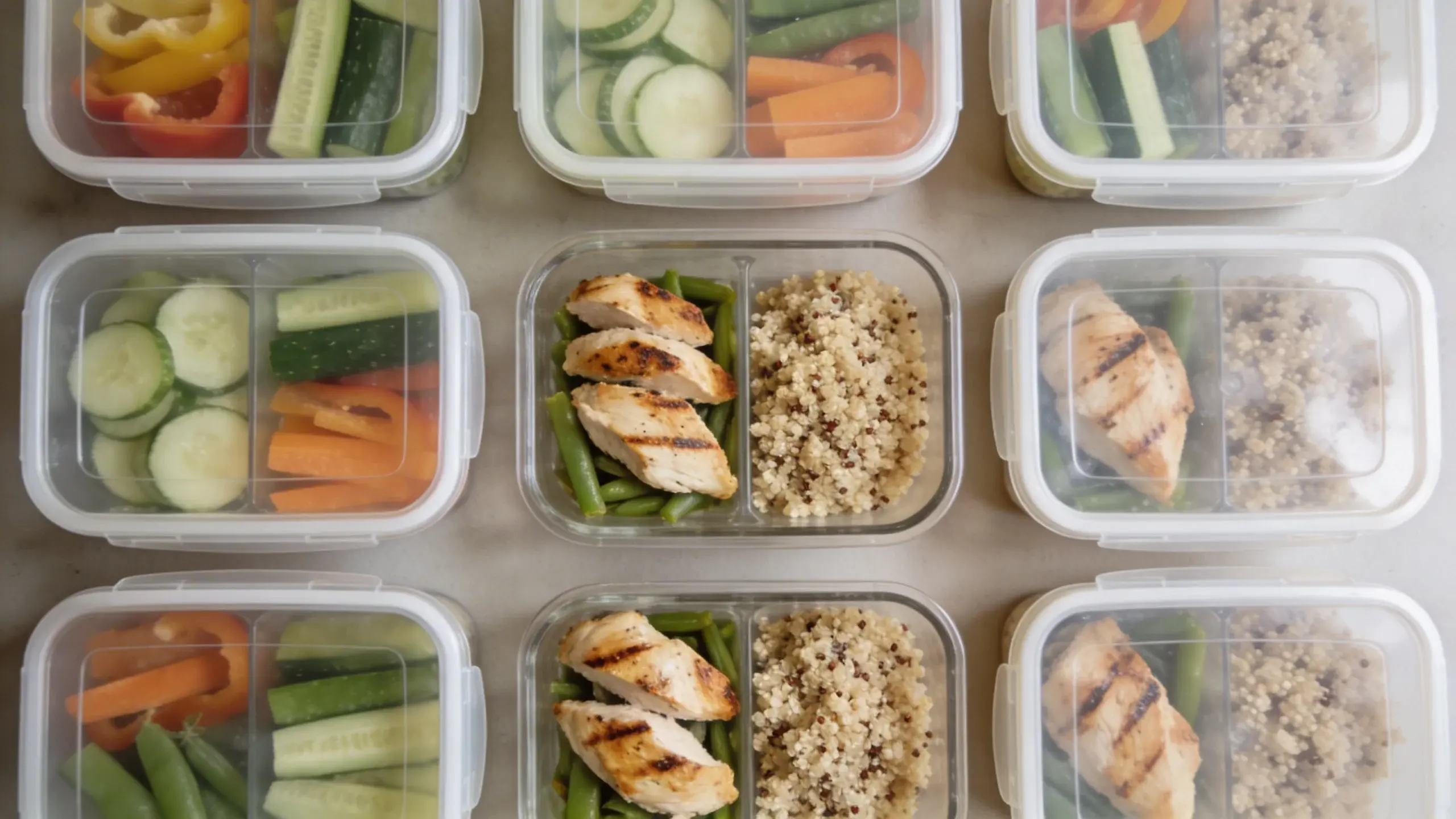
All the smart shopping in the world won’t help if you don’t actually cook the food you bought. I know cooking feels like a huge time suck, but it’s where the real money-saving magic happens.
Batch Cooking Is Your Secret Weapon
Spend a couple hours on the weekend preparing components of meals. Cook a big pot of rice, chop vegetables, brown some ground meat, or make a batch of beans. When dinner time hits during the week, you’re basically assembling meals instead of cooking from scratch.
Even better, make full meals in bulk. Soups, casseroles, and chili all freeze beautifully and give you those emergency dinners that prevent expensive takeout runs.
Learn the Cheap Staples
Some foods give you incredible bang for your buck. Beans, lentils, rice, pasta, eggs, oats, and potatoes are all ridiculously cheap and incredibly versatile. A pound of dried beans costs about a dollar and makes the equivalent of four cans.
You don’t need to go full vegetarian, but reducing meat portions and bulking up meals with these staples will slash your grocery bill fast.
Stop Wasting Food Like It’s Going Out of Style
Americans waste about 30-40% of the food they buy. That’s literally throwing money in the trash. Want to cut your grocery bill? Stop letting food rot in your fridge.
Use your leftovers. Seriously, use them. Leftover night isn’t punishment; it’s smart budgeting. Get creative and repurpose things. Last night’s roasted chicken becomes today’s chicken quesadillas or tomorrow’s soup.
Store food properly so it actually lasts. Herbs go in water like flowers. Greens need to be washed and dried. Learn which produce goes in the fridge and which stays on the counter. Keep your fridge organized so you can see what you have. “Out of sight, out of mind” is expensive when it comes to groceries.
Frequently Asked Questions
How much should I realistically spend on groceries for my family?
A realistic budget for a family of four ranges from $150-$200 per week, or about $600-$800 per month. This assumes you’re cooking most meals at home and shopping strategically. Families with teenagers or dietary restrictions might need to budget more. Start by tracking what you currently spend, then aim to reduce it by 10-15% in your first month.
Is it really cheaper to cook from scratch?
Absolutely, yes. A homemade meal typically costs 50-75% less than a comparable pre-made or restaurant meal. A simple pasta dinner might cost $8-10 to feed your family versus $40-50 for takeout. The catch is time and effort, but once you build up your cooking routine and have staples on hand, it gets much easier.
Should I use grocery delivery services?
IMO, grocery delivery can work for your budget if you’re disciplined. The fees and tips add up, but delivery eliminates impulse purchases and saves gas money and time. If you stick to your list and don’t browse, it might actually save you money. Just watch out for higher item prices on some delivery platforms.
What about organic and healthier options on a budget?
You can definitely eat healthy on a budget, but you might need to compromise on the organic part. Focus organic spending on the “Dirty Dozen” (produce with highest pesticide residues) if you care about that. Frozen vegetables are just as nutritious as fresh and usually cheaper. Buy whole foods instead of processed ones, they’re almost always healthier and more economical.
How do I handle picky eaters without blowing my budget?
Don’t become a short-order cook making separate meals for everyone. Offer the planned meal with at least one component each person tolerates. Kids won’t starve themselves; they’ll eventually eat what’s available. Involve picky eaters in meal planning so they have some buy-in. And remember, it takes multiple exposures to new foods before kids accept them, so don’t give up after one rejection.
Can I really save money with a grocery budget if I have no time?
Yes, but you need to be strategic. Focus on simple meals with minimal ingredients. Use your slow cooker or Instant Pot for dump-and-go meals. Prep on weekends when you have time. Even 30 minutes of planning and prep saves you money and stress during the week. Remember, ordering takeout also takes time (and costs way more), so you’re already spending time on food one way or another.
What is a good grocery budget plan for a family?
A good grocery budget plan focuses on meal planning, shopping with a list, buying staples in bulk, and reducing food waste. Most families can cut grocery spending by 20–40% with consistent planning.
Conclusion
Feeding your family on less doesn’t mean eating less or enjoying food less. It means being intentional about how you shop and cook. Start with one or two strategies from this article, maybe meal planning and shopping with a list. Once those become habits, add another strategy.
Your grocery budget is probably the easiest area of your spending to control because you have total autonomy over it. Nobody’s forcing you to buy the name-brand cereal or the pre-cut vegetables that cost three times more. Small changes add up fast, and you’ll be shocked how much you can save without your family even noticing. Now get out there and show that grocery bill who’s boss.
Ready to make smarter money moves? Explore more guides on side hustles, budgeting, investing, and building wealth right here. Join the Cash Clarity Finance Newsletter to get clear, actionable tips that help your money work for you.