
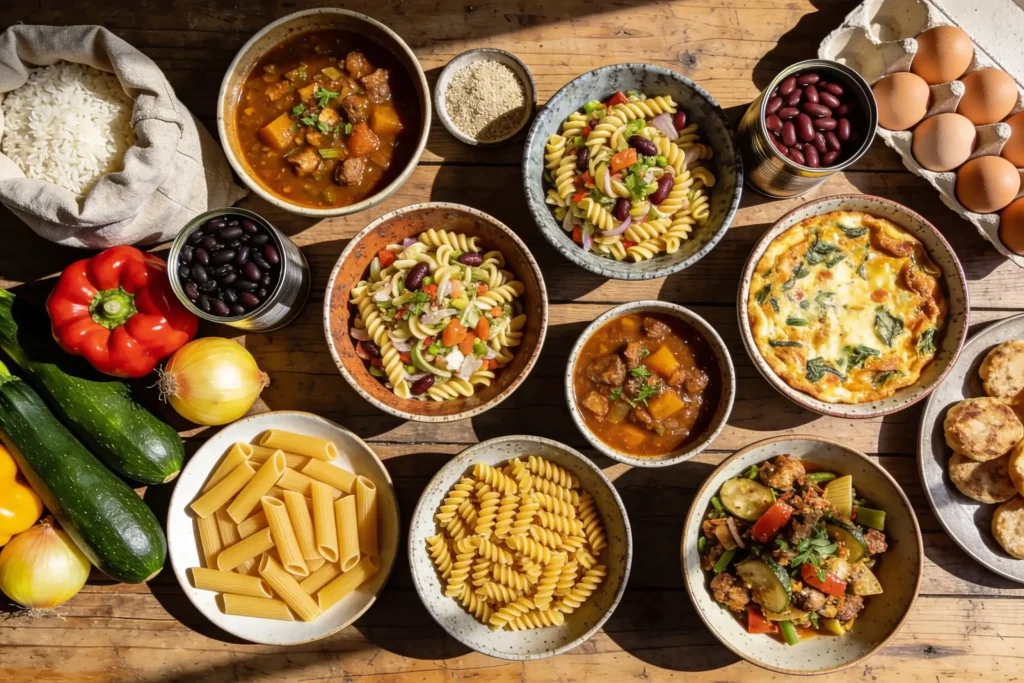
Let’s be real: when your bank account is crying and payday feels like a distant dream, you still gotta eat. The good news? You don’t need to survive on ramen packets alone (though we’ve all been there). I’m going to share some seriously cheap meal ideas that’ll keep you fed without requiring you to take out a loan just to buy groceries.
Why Cheap Meals Don’t Have to Suck
Here’s the thing most people get wrong about cooking on a budget. They assume cheap automatically means boring, tasteless, or nutritionally void. That’s complete garbage. Some of the world’s most beloved comfort foods came from people making magic with humble ingredients.
Think about it. Pizza started as peasant food. So did pasta. And don’t even get me started on tacos. The secret isn’t spending more money, it’s knowing which ingredients give you the most bang for your buck and how to use them creatively.
The real key is building meals around inexpensive staples that you can dress up different ways throughout the week. Nobody wants to eat the exact same thing seven nights in a row, but you CAN buy the same base ingredients and transform them into totally different meals.
Stock Your Pantry Like a Boss
Before we dive into specific meals, let’s talk strategy. You need a solid foundation of pantry staples that’ll carry you through multiple meals. This isn’t about buying everything at once, build this collection gradually as your budget allows.
The Non-Negotiables
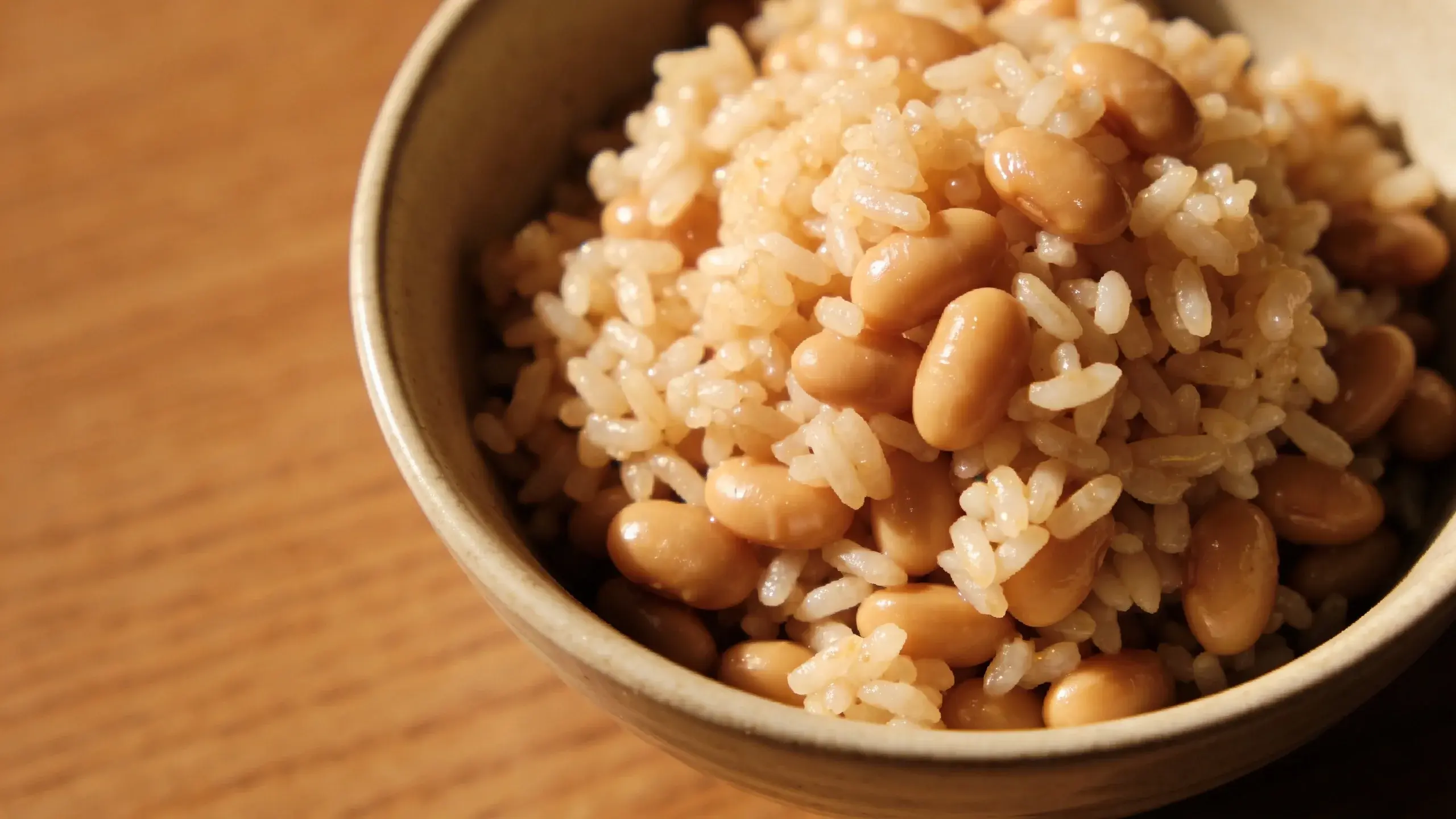
- Rice: White, brown, whatever’s cheapest. A massive bag costs pocket change and lasts forever.
- Dried beans and lentils: Protein powerhouses that cost basically nothing. Red lentils cook super fast if you’re impatient.
- Pasta: Stock up when it’s on sale. It never goes bad.
- Canned tomatoes: The foundation of a million different meals.
- Eggs: The MVP of cheap protein. So versatile it’s almost ridiculous.
- Potatoes and onions: These bad boys last ages and go in everything.
- Cooking oil: Vegetable or canola works fine. Save the fancy olive oil for when you’re feeling flush.
- Basic spices: Salt, pepper, garlic powder, and maybe some chili flakes will get you surprisingly far.
Once you’ve got these basics covered, you can create dozens of different meals just by adding one or two cheap fresh ingredients here and there.
Dirt Cheap Meals That Actually Taste Good
Fried Rice (The Leftover Savior)
Got leftover rice? Congratulations, you’re halfway to an awesome meal. Fried rice is basically the “throw whatever you have in a pan” meal, and it always works. Heat some oil, scramble an egg or two, toss in your rice, add frozen veggies if you’ve got them, and season with soy sauce.
The beauty here is that you can literally use ANY vegetables or protein scraps you have lying around. That sad carrot in your fridge? Dice it up. Random frozen peas? Perfect. Half an onion? Even better. This meal costs maybe two bucks and feeds you well.
Bean and Cheese Burritos
I’m not talking about those sad gas station burritos. I’m talking about making a big batch of seasoned beans that you can use all week long. Cook dried pinto beans (or use canned if you’re short on time), mash some of them up, add cumin and chili powder, and boom, burrito filling.
Grab the cheapest tortillas you can find, add your beans, sprinkle some cheese if your budget allows, and you’ve got a filling meal for under a dollar per burrito. Make a bunch and wrap them in foil, they reheat beautifully.
Pasta Aglio e Olio (Fancy Name, Stupid Simple)
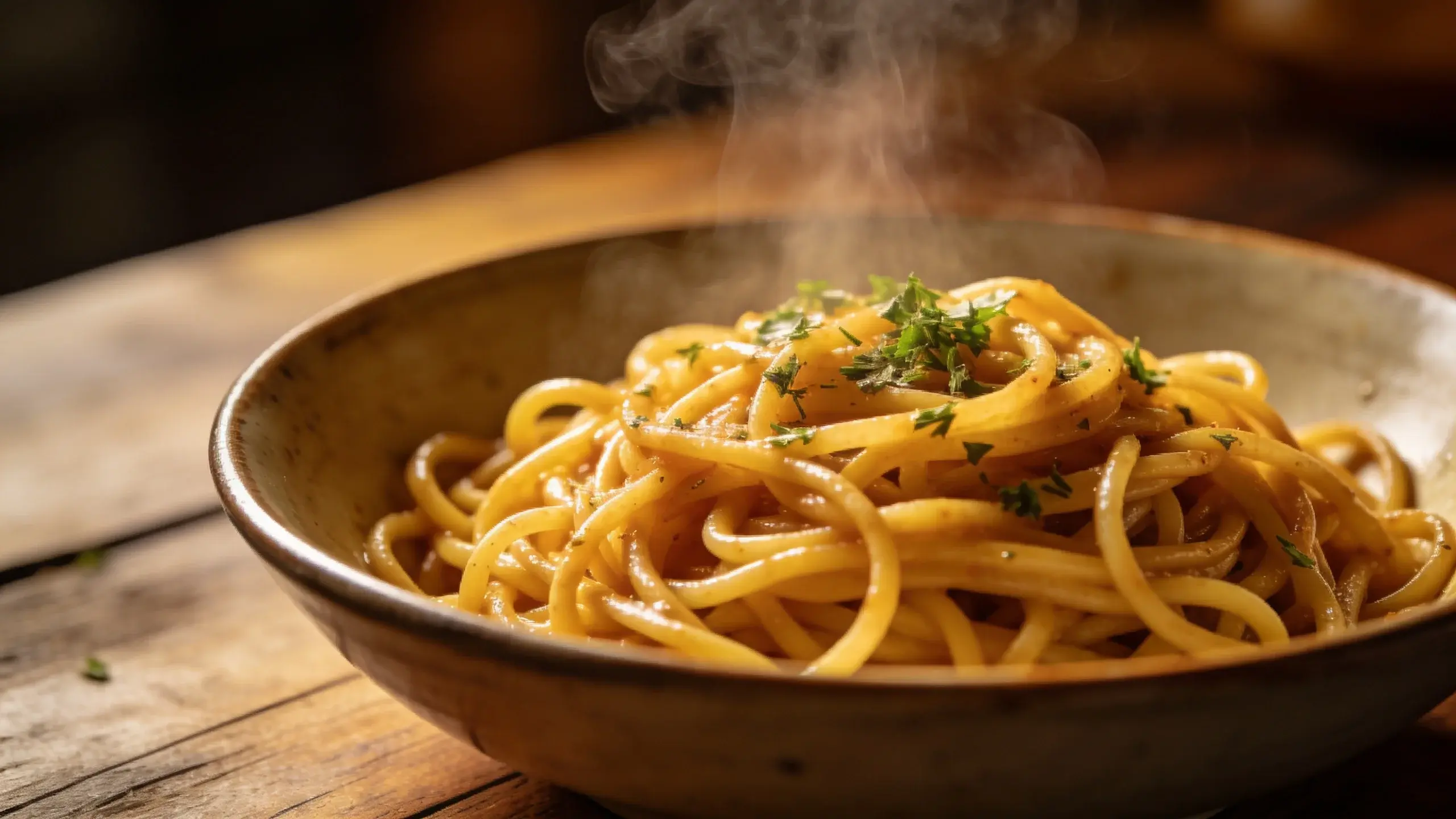
This Italian classic uses like five ingredients and tastes way fancier than it has any right to. Cook pasta, then toss it with olive oil (or whatever oil you have), lots of garlic, red pepper flakes, salt, and pepper. That’s it. Some people add parmesan, but honestly, it’s delicious without it.
The whole meal costs maybe $1.50 per serving if you’re being generous with the oil. Add a fried egg on top if you want protein, or stir through some canned tuna for a boost.
Lentil Soup (Set It and Forget It)
Lentils are criminally underrated, IMO. They’re packed with protein, cook faster than beans, and cost next to nothing. For a basic lentil soup, you need lentils (duh), water or broth if you’re fancy, diced tomatoes, onions, garlic, and whatever spices you’ve got.
Throw everything in a pot and simmer for 30 minutes. You’ve just made a huge batch of soup that’ll feed you for days. Each serving probably costs less than a dollar, and it freezes brilliantly. Win-win.
Egg Fried Anything
When in doubt, fry an egg and put it on something. Toast? Egg on top. Rice? Egg on top. Leftover vegetables? You guessed it, egg on top. Eggs are the ultimate budget food because they transform any simple carb into a proper meal.
My go-to broke meal is toast with a fried egg, salt, pepper, and hot sauce. Takes three minutes, costs about 50 cents, and somehow never gets old.
Potato Hash
Dice up some potatoes, fry them until crispy, throw in an onion if you have one, crack a couple eggs over the top, and let everything cook together. This breakfast-for-dinner situation costs maybe two dollars and is genuinely delicious.
Add literally any vegetables you need to use up. Peppers? Great. Frozen corn? Sure. That weird half cabbage in your fridge? Why not. Potatoes are the most forgiving ingredient ever.
Shopping Strategies to Stretch Every Dollar
Knowing what to cook is only half the battle. You also need to shop smart or you’ll blow your budget on stuff you don’t actually need.
Buy Store Brands
Real talk: for most items, the store brand is literally the same product as the name brand, just in different packaging. Your pasta doesn’t care whether it’s wearing a fancy label. Neither do your canned tomatoes. Save the brand loyalty for when you’ve got money to burn.
Check Unit Prices
Those little labels on grocery store shelves that show price per ounce or pound? They’re your best friend. Sometimes the bigger package isn’t actually cheaper, grocery stores count on you assuming it is. Always check the unit price to see which size gives you the best deal.
Shop Your Pantry First
Before you head to the store, actually look at what you already have. It’s wild how often we buy stuff we already own because we forgot it was hiding in the back of the cupboard. Plan your meals around what needs to be used up first.
Frozen Vegetables Are Your Friend
Fresh produce is great, but it goes bad quickly and can get pricey. Frozen vegetables are picked at peak ripeness, last forever in your freezer, and often cost less than fresh. FYI, they’re just as nutritious too. Don’t let food snobs tell you otherwise.
Batch Cooking and Meal Prep Hacks
Want to know the real secret to eating cheap? Cook once, eat multiple times. I’m not talking about meal prepping 20 identical containers (unless that’s your thing). I’m talking about smart batch cooking.
Make a huge pot of rice on Sunday. That rice becomes fried rice on Monday, goes under a curry on Wednesday, and shows up in soup on Friday. Same ingredient, different meals, zero boredom.
Cook a massive batch of beans. Use them in burritos, add them to soup, mash them up for bean burgers, or just eat them with rice and hot sauce. One cooking session gives you components for an entire week of meals.
This approach saves money AND time, which is pretty much the dream when you’re broke and busy.
When You Can Afford Fresh Ingredients
Look, I know the reality is that sometimes you’ll have a few extra bucks to grab some fresh stuff. Here’s where to spend it for maximum impact:
Buy whatever vegetables are in season and on sale. They’ll be cheaper and taste better anyway. Cabbage is criminally cheap year-round and goes in everything from stir-fries to soup to tacos.
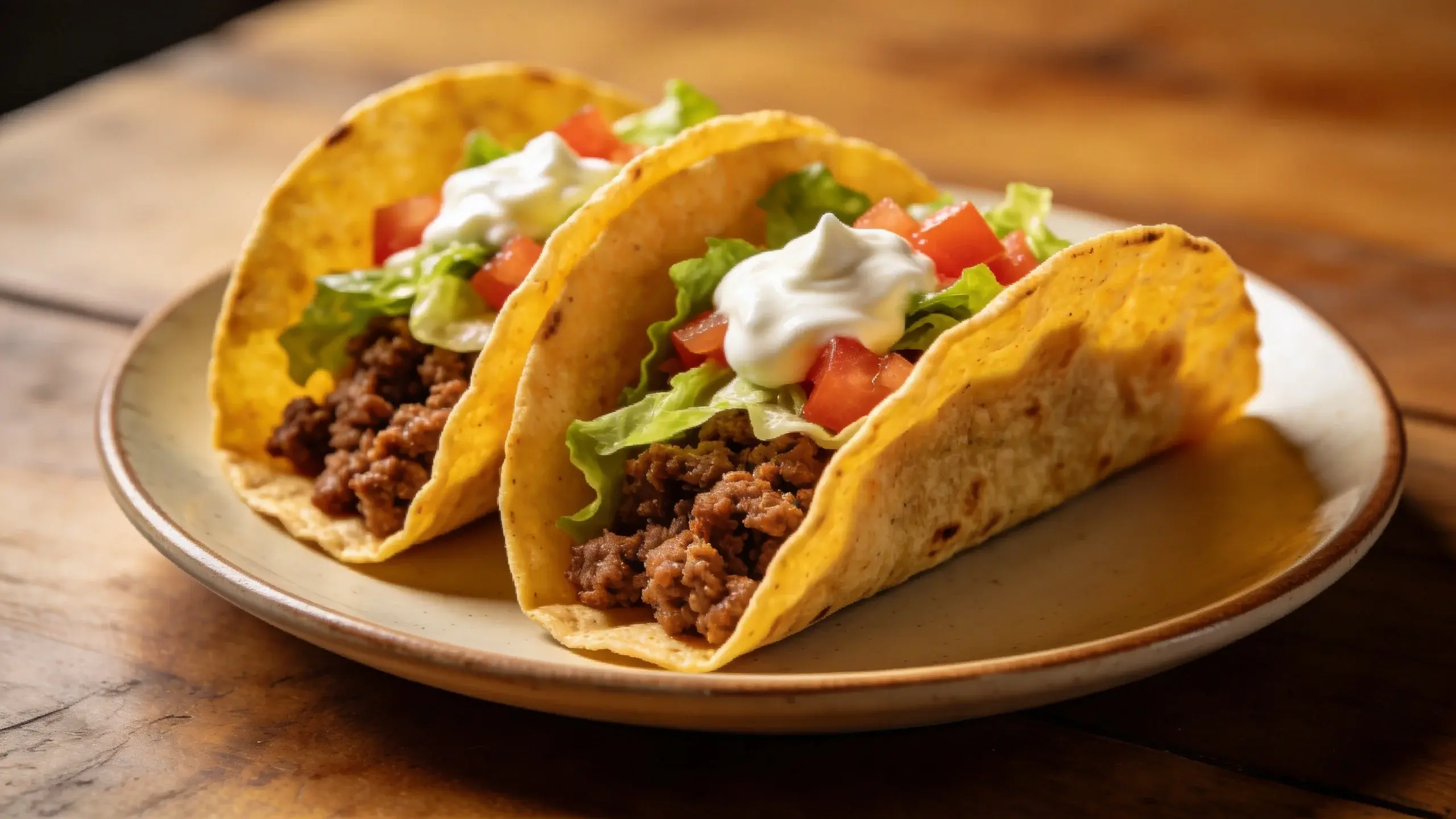
If you eat meat, chicken thighs are way cheaper than breasts and taste better (fight me). Buy them when they’re on sale and freeze what you don’t use immediately. Ground meat also stretches well when you bulk it up with beans or lentils, nobody will notice when it’s in chili or tacos.
Fresh garlic and onions are cheap flavor bombs. They make everything taste better and last a decent amount of time. These should be the first fresh items you grab when your budget allows.
Frequently Asked Questions
How much should I spend on groceries if I’m really broke?
This obviously depends on where you live and your specific situation, but you can feed yourself for around $30-40 per week if you stick to basics and cook everything from scratch. Focus on rice, beans, pasta, eggs, and whatever produce is cheapest. It’s not glamorous, but it’s doable and way healthier than living on instant noodles.
Can I actually eat healthy on a tight budget?
Absolutely. Beans and lentils are some of the healthiest foods on the planet and cost basically nothing. Add rice for complete protein, throw in whatever frozen or fresh vegetables you can afford, and you’re eating better than most people spending three times as much on processed junk. The idea that healthy eating is expensive is mostly marketing from fancy health food stores.
What if I don’t have time to cook from scratch?
I get it, you’re tired and cooking feels like a huge task. But here’s the thing: most of these meals take 20-30 minutes tops. That’s less time than getting takeout delivered. Batch cooking on your day off also means you can just reheat stuff during the week. Even just cooking rice and beans in bulk gives you ready-to-go components you can throw together in five minutes.
Are canned and frozen foods really okay to use?
Yes! Stop letting food snobs make you feel bad about this. Canned beans, tomatoes, and frozen vegetables are nutritious, convenient, and cheap. They’re often MORE nutritious than fresh produce that’s been sitting in your fridge for a week. The only thing you want to watch is added sodium in canned goods, but you can just rinse them off or buy low-sodium versions.
How do I make cheap food taste less boring?
Spices are your secret weapon. Even basic spices like cumin, paprika, oregano, and curry powder completely transform bland foods. Buy them from discount stores or ethnic markets where they’re way cheaper. Also, acid brightens everything, a splash of vinegar or squeeze of lemon (even the bottled stuff) makes cheap meals taste way more interesting.
What’s the biggest mistake people make when cooking on a budget?
Buying prepared or convenience foods when the from-scratch version is way cheaper. Pre-shredded cheese, pre-cut vegetables, boxed meal kits, you’re paying for convenience. Also, not planning ahead means you end up ordering takeout when you’re tired and hungry, which absolutely destroys a tight budget. Spending 20 minutes planning your week saves you serious cash.
Final Thoughts
Eating well on a tight budget isn’t about deprivation or suffering through tasteless meals. It’s about being strategic with your ingredients and not falling for the myth that good food has to be expensive. The meals I’ve shared here have gotten me through plenty of broke times, and honestly, I still make most of them even when money isn’t tight because they’re just good food.
Start with the basics, build your pantry gradually, and learn to get creative with simple ingredients. You’ll be surprised how satisfying a well-seasoned pot of beans and rice can be when you’re not stressed about money. Your bank account will thank you, and your stomach won’t hate you either.
Ready to keep building your money skills? Explore more guides on side hustles, budgeting, investing and more right here.