
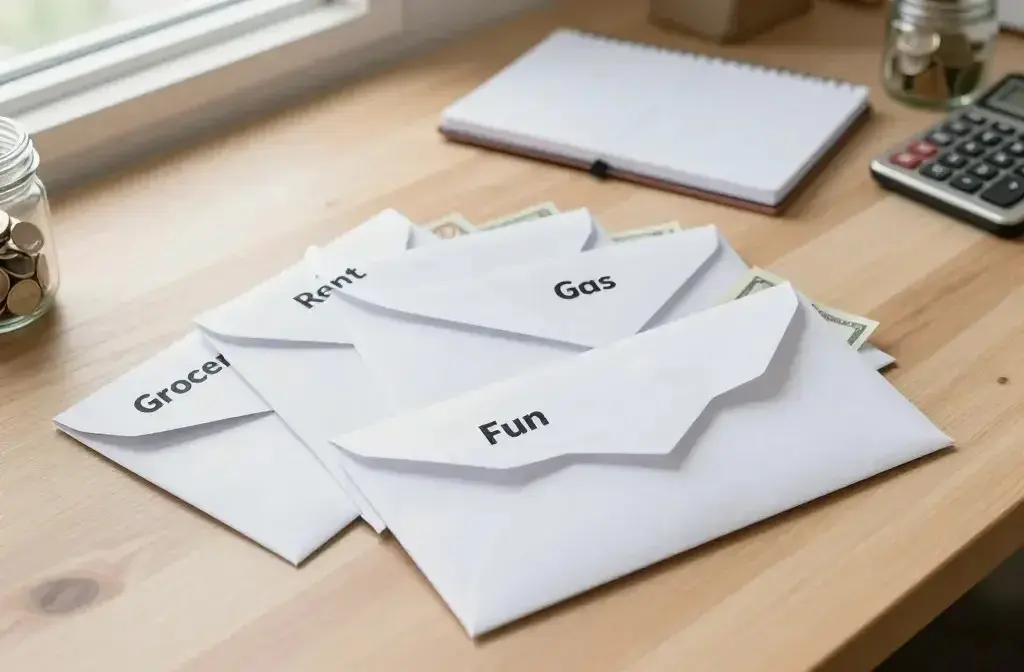
We’re talking cash, and we’re talking it simple. The cash stuffing system isn’t a gimmick; it’s a practical way to budget with real money, hands-on and visual. If you’ve ever watched your wallet melt away at the end of the month, you’re in the right place. Let’s break it down, step by step, with enough flair to keep it interesting.
What is the Cash Stuffing System?
Cash stuffing, also known as the envelope method on steroids, is about allocating physical cash into labeled envelopes or wallets for specific spending categories. You decide how much you’ll spend on groceries, gas, fun, and emergencies, then you actually hand over the cash when you buy something. No more “it’s fine, I’ll pay later” brain fog. FYI, you’ll see your spending in real time, and that’s oddly satisfying.
– You set clear categories
– You assign a hard budget to each category
– You use real cash as your limit
– You review and adjust regularly
This isn’t about deprivation; it’s about visibility. When you see cash disappearing from an envelope, you feel the sting and rethink expenditures. If you’ve tried digital budgeting and hated the abstraction, this method hits differently.
Choosing Your Setup: Envelopes, Wallets, or Digital Folders
You don’t need fancy gear to start. The beauty is that you can scale up as you grow. Here are a few routes, from bare-bones to slightly luxe.
Classic Envelopes
– Use sturdy or labeled envelopes for each category
– Put cash in them at the start of the period
– Seal the envelope to resist impulse buys
Pros: Simple, cheap, tactile.
Cons: Not super durable; possible spill risk if you’re traveling light.
Perf Witness Wallet System
If you want a more organized vibe, get a small wallet with sections labeled for each category. You can physically separate funds, and it’s a little more robust than loose envelopes.
Pros: Tidy, compact, easy to carry.
Cons: Still cash-only, so you’ll need a desk setup if you’re at home.
Digital-Plus Hybrid
For the risk-averse or those who hate handling cash, use a digital note system with a cash-tallback ritual. You allocate budgets in a notebook or app and then stuff cash only for “urgent” or “groceries” when you’re out.
Pros: Flexible, tracks trends, still tactile for the big spends.
Cons: Requires discipline to transfer numbers to real cash.
Whichever route you pick, the core remains: label, allocate, give every dollar a job.
Setting Up Your First Budget: Step-by-Step

Let’s actually do this. Here’s a no-fluff setup you can implement this weekend.
- List your categories — groceries, dining out, gas, transit, rent, bills, savings, fun, emergency, miscellaneous. Keep it to 8–12 so you don’t freeze your brain.
- Allocate monthly amounts — be realistic. Start with last month’s receipts if you have them. If you overspend in one category, cut somewhere else next month.
- Create envelopes or digital folders corresponding to each category. Label them clearly.
- Fill the envelopes with cash at the start of the period. This is your shield against overspending.
- Track every spend — every time you buy something, note it down and cross it off the envelope. You’ll thank yourself later.
- Review weekly — adjust if a category tends to overflow. This isn’t a one-and-done; it’s iterative.
If you’re a visual learner, imagine a dashboard: you have a fixed amount for each category, and once the cash is gone, you’re done spending in that category for the period. Simple, but surprisingly powerful.
Tips for Staying Consistent (Even When Life Gets Messy)
Consistency is the tough part. Here are practical tips to keep you on track without turning budgeting into a full-time job.
Make it a ritual, not a chore
Set a weekly budget check-in. Sit with your favorite drink, count the cash, and see where you stand. It sounds silly, but small rituals build lasting habits.
Use a “fun” category, but cap it
If you love eating out, have a separate envelope for meals out. Place a hard cap on that category so you don’t derail the entire plan chasing the best ramen.
Leaner weeks, bigger goals
If you hit a lean stretch, don’t panic. Cut back a notch in one non-essential category and funnel the extra toward savings or debt payoff. It’s momentum, not misery.
Accountability with a buddy
Buddy systems work. Share your envelope totals with a friend or partner and do a quick monthly check-in. A little accountability goes a long way.
Common Pitfalls and How to Dodge Them
You’ll hit speed bumps. Here’s how to dodge the common ones before they derail you.
Impulse buys while out and about
If you’re shopping, you’ll be tempted. Bring the exact cash needed for the trip or keep a tiny “ impulse” envelope you can spend from sparingly. FYI, walking away is often the best move.
Underestimating variable expenses
Food and fuel can surprise you. Build in a buffer and adjust your monthly allocation after a couple of cycles. Don’t pretend you’re a budget robot who never errs.
Not adapting to life changes
Shift happens: new job, move, baby, or a hobby obsession. Recalculate categories and redraw envelopes every 4–6 weeks during the adjustment period.
Maximizing the Psychological Wins
This system works partly because of psychology. Seeing money in physical form changes how you spend.
– The money is finite and visible
– Each category has a clear purpose
– You celebrate small wins, like “I didn’t touch the dining-out envelope this week”
If you’ve ever wondered why this feels so satisfying, there’s science behind it. The brain loves concreteness. You’re not guessing; you’re watching cash disappear with intention.
Advanced Tweaks for Power Users
If you’re hooked and want to level up, these tweaks can turn a good system into a great one.
Combo envelopes for family budgets
If you’re budgeting for a family, use shared envelopes for groceries and household items. You still allocate individual allowances for kids or partners, but consolidation gives you a clear view of joint spending.
Debt-payoff push
Create a separate envelope for debt payments. The sum you allocate here compounds as you direct extra cash toward paying down balances.
Seasonal and irregular expenses
Have a sinking fund envelope for things like car maintenance, gifts, or vacations. You’ll avoid ruining your monthly budget when these costs pop up.
Tracking with a simple ledger
No fancy apps needed, just a small notebook or a minimalist spreadsheet. Record category, date, amount, and remaining balance. It’s cheap, it’s effective, and it works with the cash feel you love.
FAQ: Quick Answers for Beginners
Is cash stuffing really easier than digital budgeting?
It can be. Seeing physical cash and having a tangible limit often curbs impulse buys in a way apps don’t. The trade-off is manual tracking, but that’s a small price for real-world visibility.
What if I don’t use all the money in an envelope?
Leave the leftover cash in the envelope for the next period or roll it into savings. Some people like to “roll over” unused funds to the next month to build a bigger cushion.
How many envelopes should I start with?
Start with 6–8 core categories. If you’re overwhelmed, begin with groceries, gas, dining out, bills, savings, and fun. You can always add more later as you get the hang of it.
Can I do this if I’m paid irregularly?
Yes. Either set up a budgeting rhythm around your paydays or create a monthly budget based on average income and then adjust when larger-than-average paychecks come in.
What about digital transactions, should I avoid them entirely?
Not at all. Use cash for the categories that benefit most from the physical limit, and keep digital methods for fixed bills or non-cash purchases. The key is intention and discipline.
Conclusion
If you’re ready to reclaim control of your wallet, the cash stuffing system is worth a serious look. It’s practical, hands-on, and surprisingly satisfying when you watch the numbers line up with reality. Start with a small setup, give it a month, and tweak as you go. FYI, you might even start enjoying the budgeting process more than you expected.
This method isn’t about perfection; it’s about clarity. You decide where every dollar goes, you see the impact fast, and you learn what actually matters in your spending. So grab some envelopes, pick your categories, and let your cash do the talking. You’ve got this.
Ready to make smarter money moves? Explore more guides on side hustles, budgeting, investing, and building wealth right here. Join the Cash Clarity Finance Newsletter to get clear, actionable tips that help your money work for you.