
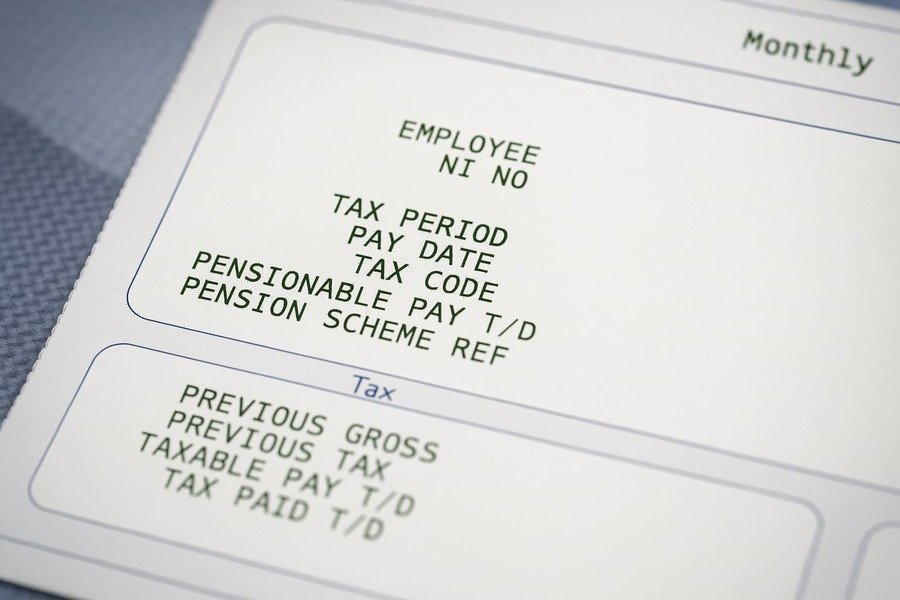
These financial steps before payday can help you avoid stress, overspending, and paycheck-to-paycheck burnout. Most people wait until payday to think about their money, but by then, it’s often too late. Rent’s due, subscriptions renew, cravings hit, and suddenly half your paycheck is gone in 48 hours. The real game-changer? Taking action before the money arrives.
Whether you’re living paycheck to paycheck or just want more control over your finances, these next few days before payday are your golden window. Use them right, and you’ll make smarter choices, feel less stressed, and build real momentum with your money.
Get Ready Before Your Paycheck Arrives
Let’s be honest, most of us don’t do much planning before our paycheck lands. We wait for payday, feel that rush of “finally,” and then… life happens. Bills hit, cravings kick in, Amazon carts fill up, and before you know it, your balance is back near zero. It’s stressful, frustrating, and feels like a never-ending loop.
But what if you could break that cycle before it even starts?
Taking a few smart financial steps before your next paycheck hits your account can completely shift the way you handle your money. Instead of reacting after payday, you get ahead of it. You stay calm, organized, and intentional. No more paycheck-to-paycheck chaos.
In this guide, we’ll walk through 7 practical, beginner-friendly steps that will help you get ready for your next payday, regardless of how tight your income is. You don’t need a massive salary, a fancy budget spreadsheet, or a financial degree. You just need a plan.
If you’ve ever felt like money slips through your fingers too fast… this is for you.
Step 1: Review Where Your Last Paycheck Went
Before you plan what to do with your next check, take a few minutes to understand what happened to the last one. Open your bank app, look through your transactions, and start noticing the trends:
- Where did your money go?
- What categories drained your balance faster than expected?
- What spending felt meaningful, and what felt avoidable?
You don’t need to overanalyze or build a spreadsheet. This is about getting curious, not being critical. The goal is to bring awareness to your habits so you’re not stuck on autopilot
Focus on self-awareness. Ask yourself: Why did I spend that money? Was it planned? Was it emotional? Was it worth it? These questions help you connect the dots between your spending and your values.
This step can be powerful when done without judgment. The more you understand your money behaviors, the more control you have over your future choices.
A few ideas to go deeper:
- Highlight impulse buys and recurring charges (like subscriptions or delivery fees)
- Note purchases that brought lasting value vs. short-term relief
- Consider journaling a few sentences about any spending that stood out
Sometimes just one small realization, like how easily you default to food delivery or how often you treat yourself out of stress can lead to huge changes.
If you use an expense tracker, budgeting app, or even just a notes app, write down the patterns that matter, awareness is the first win. Ready to take it a step further? check out How to Build a Beginner Budget Even If You Hate Numbers, it breaks it all down in a super simple way.
Step 2: Calculate Your Essentials for the Next Paycheck
Now that you’ve looked at where your last paycheck went, it’s time to map out what’s ahead. Step 2 is about gaining clarity, knowing the minimum amount of money you need to cover your non-negotiables in the upcoming pay cycle.
These essentials are the building blocks of your financial life. They typically include:
- Rent or mortgage
- Utilities (electricity, water, internet)
- Transportation (gas, public transit, ride shares)
- Groceries
- Minimum loan or credit card payments
- Childcare or insurance (if applicable)
Add these up to create your baseline number, the amount of money you must set aside to keep life running smoothly.
Why this step matters:
- It reduces anxiety by eliminating financial guesswork.
- It shows you exactly how much flexibility you have (or don’t have) with the rest of your paycheck.
- It gives you a reality check. Not to scare you, but to ground your planning in actual numbers.
If your income varies, use a conservative estimate or average from the last few paychecks. If your bills fluctuate, round up to avoid surprises.
You can write this out in a notebook, plug it into a spreadsheet, or use a simple budgeting app. The key is to get real with the numbers.
Once you know your essentials total, you’ll be better prepared to:
- Avoid overspending too early in the pay cycle
- Know when to say no without guilt
- Prioritize what’s truly urgent
This is the foundation of proactive money management. If you want to experiment with saving goals, try using a quick tool like the NerdWallet savings calculator. This sets you up perfectly for Step 3: automation.
Step 3: Automate One Small Financial Win
Now that you’ve got clarity on your past spending and your upcoming essentials, it’s time to shift into action mode starting with automation.
One of the smartest things you can do before payday is set up a small automatic transfer that takes care of your priorities the moment money hits your account, this could be as little as $5 or $10. What matters most is starting the habit.
Here are a few ways to put this into practice:
- Schedule a $10 transfer into your emergency fund
- Set up a round-up savings rule in your banking app or a micro-investing app
- Automate a small payment toward a high-interest debt
- Contribute $25 to a retirement or long-term investment account if you have one (like a pension, superannuation fund, or tax-advantaged savings plan, depending on your country)
Why do this now before you even get paid? Because automated money gets saved or invested, manual money usually gets spent. We’re human. It’s easy to mean to save and never actually do it. Automation protects you from your future impulses.
Sometimes if the number feels tiny, what you’re really building is trust with yourself. Every time that automation goes through, you’re reinforcing a new identity: someone who handles money on purpose.
If you’re worried about not having enough, try automating right after essentials or for just half your usual spending amount. Start where you are, but make it automatic.
This step helps you shift from reactive to proactive, and it’s one of the fastest ways to make your money work for you, instead of the other way around.
Step 4: Create a Micro Spending Plan
Now that you’ve covered your priorities, it’s time to look at what’s left and tell it where to go. This is where a micro spending plan comes in a short-term, flexible way to manage your money between now and your next payday.
A micro plan isn’t a rigid budget. It’s a snapshot of how you’ll use what’s left in a way that supports your real life:
- Start with your remaining balance after essentials and any automated savings.
- Break it into realistic categories:
- Groceries
- Transportation
- Fun or personal spending
- Buffer (for unexpected things)
- Groceries
Sometimes if you’re working with a small amount, this kind of plan gives your money a purpose. And that purpose creates intention.
For example: If you have $150 left, you might assign $60 to groceries, $40 to gas, $30 for a small splurge, and $20 as a flex buffer.
You don’t need apps or spreadsheets to do this. A simple notes app, envelope system, or highlighter on your bank statement works just fine. The key is to decide ahead of time instead of reacting in the moment.
A few tips to make it work:
- Add a little cushion. Sometimes $10 unassigned can give you breathing room.
- Be honest about your lifestyle. If you know you’ll want to order out once or buy a coffee, include it.
- Check in once mid-cycle. A 5-minute review can help you adjust before things go off track.
This micro plan might seem simple, but it keeps your money aligned with your values and that’s where financial progress really begins.
Step 5: Identify One Spending Habit to Pause
This is where you take a honest look at your habits and choose just one to temporarily pause or adjust before your next paycheck hits.
We all have at least one area where money leaks out of our account faster than we realize, maybe it’s frequent takeout, impulse Amazon purchases, daily coffee runs, or an expensive subscription you rarely use.
You don’t need to overhaul your entire lifestyle. You just need to zoom in on one habit that isn’t serving you right now.
Here’s how to do it:
- Pick a category: Where do you tend to overspend without much return?
- Decide what to pause or limit: Can you cut it out for one pay cycle? Can you scale it down instead of quitting cold turkey?
- Replace the behavior with something positive: Cook at home once more per week. Set a 24-hour waiting period before any non-essential purchase. Switch to a free version of a service.
This isn’t about restriction, it’s about reclaiming control. The goal is to prove to yourself that you can pause a habit on purpose and use that money for something that matters more.
Sometimes redirecting $30 or $50 from one habit can be a powerful win. Want ideas for where to start? These 10 Money-Saving Tips for Young Professionals can help you plug those sneaky leaks fast. You could:
- Put it toward a goal (emergency fund, savings challenge)
- Use it to pay off a small debt
- Set it aside for a future splurge, one you’ll actually enjoy
When you pause one habit intentionally, you shift from reacting to deciding, and that’s the core of financial confidence.
Step 6: Look Ahead at Upcoming Expenses
Now that you’ve gotten clear on your spending and tightened up your habits, it’s time to look forward. One of the biggest reasons people fall off track financially isn’t a lack of discipline, it’s getting hit with surprise expenses they didn’t plan for.
The solution? Make a mini forecast.
Think of anything coming up between now and your next paycheck:
- Do you have a birthday, event, or social outing coming up?
- Are there bills that don’t hit every month but are due soon (like quarterly insurance or an annual subscription)?
- Any back-to-school, holiday, or seasonal expenses starting to sneak in?
Write them down, estimate the cost, and if possible set aside a small buffer now. One tool that can really help here is setting up a small emergency fund. This post shows you how to build one.
Sometimes putting aside $10 or $20 can make a difference. It’s not about covering the whole amount, it’s about absorbing the shock so it doesn’t derail your whole paycheck.
You can also use this step to:
- Check your calendar for obligations that may require spending
- Look at your past statements for recurring charges or fees you may have forgotten
- Start a running list of annual or irregular bills to revisit each pay cycle
The more you anticipate, the less reactive your money life becomes. Planning ahead gives you breathing room and keeps your goals on track.
Think of this step as your personal weather forecast. If you know what’s coming, you can dress and spend accordingly.
Step 7: Give Every Dollar a Job
Once you’ve mapped out your essentials, planned ahead, and set your small automation, it’s time to wrap it all up with a mindset shift: give every dollar a job.
This is the principle behind many popular budgeting methods like zero-based budgeting, but it doesn’t have to be complicated. It simply means assigning purpose to every bit of your next paycheck.
Sometimes when your income is limited, the act of naming where each dollar will go (essentials, savings, spending, goals) creates clarity. No more wondering where your money went because you already told it what to do.
Here’s how to do it:
- Start with your paycheck total.
- Subtract your baseline expenses (Step 2).
- Allocate what’s left to specific categories no matter how small they are.
- Don’t forget to give yourself a little joy category whether that’s a treat, a break, or a fun night in.
Every dollar counts, so make them count on purpose.
A few things this mindset prevents:
- Drifting into overspending because money felt extra
- Getting surprised by how fast funds disappear
- Feeling guilt for spending on yourself because now it’s built into the plan
And if your paycheck isn’t enough to cover everything? Prioritize your non-negotiables and give the rest of your money the best jobs it can do regardless of how small that progress may be progress. Small progress still builds momentum.
The power of this final step isn’t in perfection it’s in intentionality. When every dollar has a job, your finances run like a team working toward your goals, not just a pile of cash waiting to disappear.
Final Thoughts
When it comes to money, clarity is everything. And the few days before payday are the perfect moment to pause, reflect, and realign. You don’t need to overhaul your entire financial life overnight just doing these 7 small things before your next paycheck can change the game.
These steps help you move from stress to strategy. From winging it to winning with intention. From feeling behind to feeling in control.
So don’t wait until your bank account resets, start now. Review your last paycheck, map out your priorities, make a micro plan, and look ahead. These habits are what build a stable financial foundation over time.
And the best part? You’ll start feeling more confident with every cycle. Because managing your money isn’t about perfection, it’s about progress, consistency, and giving yourself a chance to grow.
You’ve got this, if you’re on a mission to grow, Why Your Money Mindset Matters More Than Your Salary is another great read that pairs perfectly with these steps.
If this guide helped you, consider sharing it with a friend who might need it too. Everyone deserves a little clarity before payday. When every dollar has a job, your finances run like a team working toward your goals.