
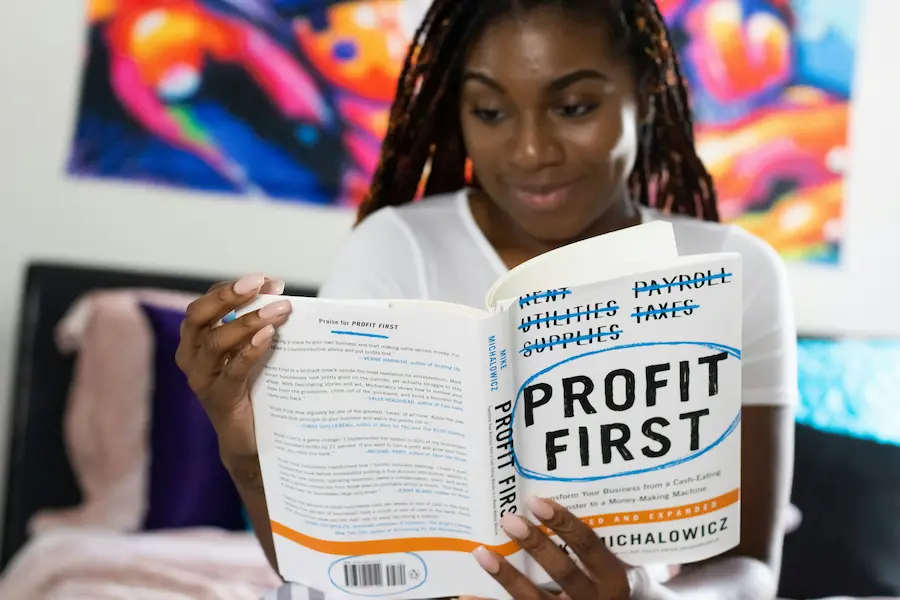
Financial literacy sounds like something you need a degree to develop, but that couldn’t be further from the truth. At its core, it’s about understanding how money works well enough to make decisions you feel confident about. And the good news is that even small improvements in how you think about and manage money can have a surprisingly large impact over time.
If you’ve ever felt confused by financial jargon, unsure where your money goes, or overwhelmed by the idea of planning for the future, this guide is for you. These financial literacy hacks are practical, approachable, and designed to help you make smarter money decisions starting today.
Understand Where Your Money Actually Goes
Most people have a rough idea of what they earn but a much fuzzier picture of what they spend. That gap is where financial stress lives. Closing it is one of the most valuable things you can do for your money.
Track Every Purchase for One Month
You don’t need to do this forever, but doing it once is genuinely eye-opening. Use a notes app, a simple spreadsheet, or a budgeting app to log every transaction for 30 days. Patterns will emerge that you didn’t expect, and those patterns are where your opportunities to improve are hiding.
Separate Needs From Wants Honestly
This sounds obvious until you actually try it. Many expenses that feel like needs are actually habits or conveniences. Rent is a need. A specific streaming service is a want. Understanding the difference in your own spending gives you a clearer picture of where you have flexibility.
Learn to Read a Bank Statement
Spend 10 minutes reviewing your bank statement at the end of each month. Look for recurring charges, unexpected fees, and categories where spending is higher than you assumed. This simple habit builds financial awareness faster than almost anything else.
Get Comfortable With the Language of Money
One of the biggest barriers to financial literacy is jargon. When terms feel unfamiliar or intimidating, it’s easy to disengage from topics that are actually straightforward once explained clearly.
Learn a Few Key Terms That Come Up Constantly
You don’t need to memorize a financial dictionary. Understanding a handful of terms makes most personal finance content accessible. A few worth knowing:
- Net worth: What you own minus what you owe
- Compound interest: Interest earned on both your original amount and the interest already accumulated, which causes savings and debt to grow faster over time
- Inflation: The gradual rise in prices over time, which reduces what your money can buy if it isn’t growing
- Liquidity: How quickly an asset can be converted to cash without losing value
- Diversification: Spreading money across different types of investments to reduce risk
Once these click, financial conversations and content become much easier to follow.
Stop Skipping the Fine Print on Financial Products
Credit cards, loan agreements, and savings accounts all have terms that matter. You don’t need to read every word, but understanding the interest rate, any fees, and the key conditions of any financial product you use is a basic form of self-protection.
Build Mental Models That Make Decisions Easier
Financial literacy isn’t just about knowing facts. It’s about having frameworks that make everyday money decisions faster and clearer.
Use the 24-Hour Rule for Non-Essential Purchases
Before buying anything that isn’t a planned expense, wait 24 hours. This single habit dramatically reduces impulse spending and helps you distinguish between things you genuinely want and things that caught your attention in the moment. Most impulse urges fade quickly when you give them a little time.
Think in Annual Terms, Not Monthly
When evaluating a subscription, a habit, or a recurring expense, multiply it by 12. A $15 monthly streaming service is $180 a year. A $6 daily coffee habit is over $2,000 a year. Seeing expenses in annual terms makes their real cost much clearer and helps you decide whether they’re worth it.
Apply the Opportunity Cost Mindset
Every financial decision involves a trade-off. When you spend $200 on something, that’s $200 that isn’t going toward debt repayment, savings, or investing. You don’t need to agonize over every purchase, but developing the habit of asking “what else could this money do?” helps you make more intentional decisions over time.
Know the Difference Between an Asset and a Liability
An asset puts money in your pocket over time. A liability takes money out. A rental property that generates income is an asset. A car with monthly loan payments is a liability, even though it feels like something you own. Getting clear on this distinction changes how you evaluate major purchases.
Develop Better Habits Around Saving and Spending
Knowing what to do and actually doing it consistently are different challenges. These hacks close the gap between good intentions and real behavior.
Pay Yourself First
Before you pay any bill or make any discretionary purchase, move a set amount to savings. Even a small amount saved before you have a chance to spend it builds a habit and a balance. This principle works because it removes the temptation to spend first and save whatever is left.
Set Up Accounts With a Purpose
Having one account for everything makes it harder to track what money is spoken for. Opening a separate account for your emergency fund, a savings goal, or a specific expense category makes your financial picture clearer and reduces the likelihood of accidentally spending money that was meant for something else.
Automate the Good Decisions
Willpower is unreliable. Automation is not. Setting up automatic transfers to savings, automatic bill payments, and automatic investment contributions means your best financial intentions happen without requiring daily discipline. The less you have to actively decide, the more consistently you’ll follow through.
Get Smarter About Debt
Debt isn’t always bad, but misunderstanding it is costly. A few shifts in how you think about and handle debt can save you significant money.
Know the True Cost of Every Debt You Carry
Most people know their monthly payment but not the total amount they’ll pay back including interest. Calculating the actual cost of a loan or credit card balance over time is often sobering, and it’s one of the most motivating things you can do if you want to pay debt off faster.
Understand How Interest Rate Differences Add Up
The difference between a 6 percent and a 20 percent interest rate on a debt might seem abstract, but over time it represents thousands of dollars. Prioritizing high-interest debt isn’t just good advice. It’s mathematically the highest-return thing most people can do with extra money.
Use Credit as a Tool, Not a Supplement to Income
Credit works well when it’s used for planned purchases that you pay off in full. It becomes a problem when it fills the gap between what you earn and what you spend. If your credit card balance is growing each month, that’s a signal worth paying attention to.
Learn Continuously Without Getting Overwhelmed

Financial literacy is a skill, and like any skill it improves with practice and exposure over time. The key is learning in a way that feels manageable rather than overwhelming.
Read or Listen to One Personal Finance Resource a Month
You don’t need to consume everything at once. One book, podcast, or long-form article per month is enough to meaningfully build your knowledge over a year. Topics compound on each other, and concepts that feel confusing at first become clearer with repeated exposure.
Follow Reliable Sources Rather Than Social Media Hype
Social media is full of financial content, and a lot of it is misleading, oversimplified, or driven by someone trying to sell something. Seeking out reputable sources, whether that’s established personal finance authors, government financial guidance sites, or credentialed advisors, gives you information you can actually trust.
Ask Questions Without Embarrassment
A surprising number of adults avoid asking basic financial questions because they feel like they should already know the answers. There are no silly questions when it comes to your own money. Asking a question you feel embarrassed about is always better than making a financial decision based on incomplete understanding.
The Mindset Shift: Financial Literacy Is a Practice, Not a Destination
A lot of people put off engaging with their finances because they feel like they need to understand everything before they can do anything. That’s backwards. You learn personal finance by doing it, making small decisions, observing the results, and gradually building a clearer picture of how money works in your life.
Nobody becomes financially literate all at once. It happens incrementally, through paying attention, asking questions, making mistakes, and adjusting. The people who are most confident about their money aren’t the ones who figured it all out before starting. They’re the ones who started before they had it all figured out.
Every small step you take toward understanding your money better is a step in the right direction, and the steps add up faster than you might expect.
Frequently Asked Questions
What is financial literacy and why does it matter?
Financial literacy is the ability to understand and apply basic financial concepts to real-life decisions about earning, spending, saving, and investing. It matters because the quality of your financial decisions over time determines your financial security, your options, and your ability to handle unexpected challenges without going into crisis.
Where is the best place to start improving financial literacy?
Start with your own numbers. Understanding what you earn, what you spend, what you owe, and what you own is the foundation everything else is built on. Once you have a clear picture of your current situation, the next steps become much easier to identify.
How long does it take to become financially literate?
There’s no finish line, but meaningful progress happens quickly. Most people who start actively learning about personal finance feel noticeably more confident within a few months. The concepts that matter most for everyday decisions aren’t complicated once they’re explained clearly.
Can financial literacy actually improve my life?
Yes, and the research consistently supports this. People with higher financial literacy tend to save more, carry less high-interest debt, plan better for retirement, and report lower financial stress. The knowledge itself isn’t magic, but it leads to better decisions, and better decisions compound over time.
What are the most important financial concepts to understand first?
Budgeting basics, compound interest, the difference between good and bad debt, and the importance of an emergency fund are the four areas that give you the most practical foundation. Everything else builds on these.
Do I need a financial advisor to make good money decisions?
Not necessarily, especially for everyday financial decisions. Building your own financial literacy reduces your dependence on others for basic money management. That said, a qualified financial advisor can be genuinely valuable for complex situations like tax planning, investing strategy, or major life transitions.
Small Shifts, Big Difference
You don’t need to overhaul your finances overnight to benefit from better financial literacy. Each hack on this list is a small shift in how you think about or handle money, and small shifts applied consistently produce real change over time.
The goal is to feel more in control, more confident, and less anxious about your financial decisions. That’s what financial literacy actually delivers when you put it into practice.
If you found this helpful, you might also like:
- 17 Practical Ways to Save Money When You’Re Living Paycheck to Paycheck
- How to Build Credit From Scratch Without Going Into Debt
Ready to make smarter money moves? Explore more guides on side hustles, budgeting, investing, and building wealth right here. Join the Cash Clarity Finance Newsletter to get clear, actionable tips that help your money work for you.