

Budgeting often feels like a punishment, doesn’t it? A tedious chore filled with spreadsheets, guilt trips, and the constant fear of overspending. What if I told you it doesn’t have to be a financial straitjacket, but rather a liberating tool? Welcome to minimalist budgeting, where we ditch the complexity and embrace simplicity to truly master our money.
What Even Is Minimalist Budgeting?
Forget everything you think you know about budgeting. Minimalist budgeting isn’t about deprivation; it’s about clarity. It’s about stripping away the unnecessary noise and focusing on what truly matters to your financial well-being. Think of it as decluttering your finances, just like you’d declutter your closet.
Instead of meticulously tracking every single penny, this approach encourages you to identify your biggest expenses, understand your core values, and automate the rest. It’s about creating a system that works for you, not against you. No more late-night data entry or agonizing over a $3 coffee purchase.
Why Bother? The Freedom Factor
Let’s be real, nobody wakes up thrilled to “do their budget.” Traditional budgeting can be overwhelming, leading to burnout and ultimately, abandonment. Minimalist budgeting flips that script completely. It offers a profound sense of freedom.
Imagine knowing exactly where your money goes without feeling restricted. Picture a life where financial stress is significantly reduced because you’ve simplified your money management. This approach isn’t just about saving money; it’s about reclaiming your time and mental energy for things you actually enjoy.
Less Stress, More Clarity
When you simplify your budget, you automatically reduce financial stress. You’re no longer bogged down by endless categories or the pressure to be perfect. Instead, you gain a crystal-clear picture of your financial situation, empowering you to make informed decisions without the usual anxiety.
This clarity extends beyond just your bank account. It helps you align your spending with your values, ensuring your money supports the life you truly want to live. No more wondering where all your cash disappeared; you’ll know, and you’ll feel good about it.
Declutter Your Money Mindset
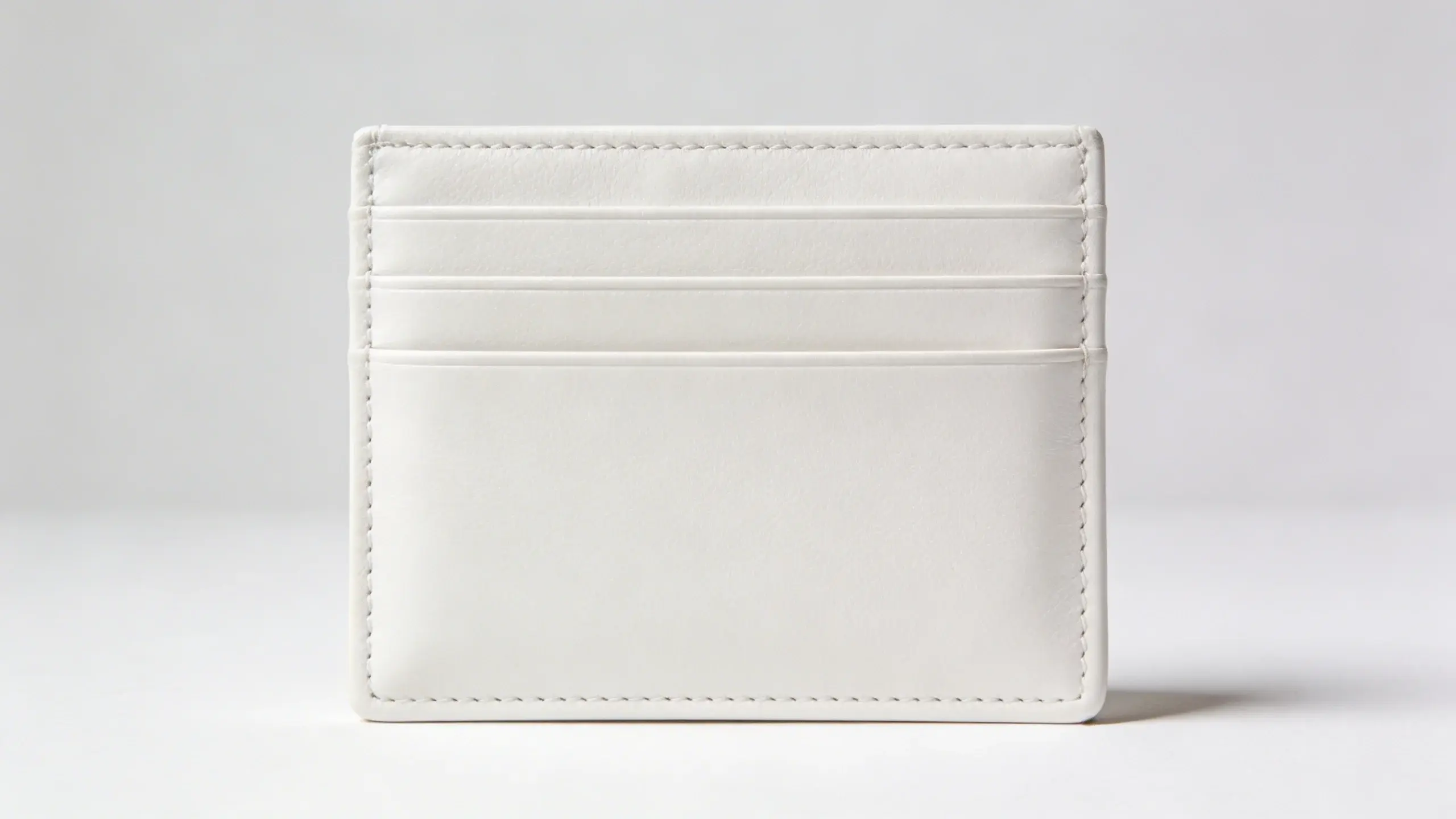
Before we dive into the “how,” let’s talk mindset. Minimalist budgeting starts with a mental shift. You have to let go of the idea that a “good” budget is a complicated one. In fact, the opposite is often true.
Embrace the idea that less is more, even with your money. Stop trying to control every single dollar in minute detail. Instead, focus on the big levers that move your financial needle. This means being okay with a little “fuzziness” around the edges, as long as the core is solid. It’s permission to be imperfect, which, IMO, is incredibly liberating.
The Core Principles: Simple, Not Simplistic
Minimalist budgeting isn’t about being lazy; it’s about being strategic. It’s about working smarter, not harder. These core principles are your guiding stars.
- Track Only What Matters: Identify your biggest expenses and areas where you tend to overspend. These are your focus points. Everything else can often be lumped together.
- Focus on Big Wins: Instead of cutting out lattes, look at your housing, transportation, and food costs. Small cuts are fine, but big expenses offer the most leverage.
- Automate Everything Possible: Set up automatic transfers for savings, investments, and bill payments. This removes decision fatigue and ensures you pay yourself first.
- Understand Your “Why”: Why are you spending money on certain things? Why are you saving? Aligning your spending with your values makes it feel purposeful, not restrictive.
This isn’t about creating a rigid rulebook. It’s about designing a flexible framework that adapts to your life, not the other way around. You’re the boss of your money, not its slave.
How to Actually Do It: Your Toolkit
Ready to get started? Here are some practical, minimalist approaches you can adopt today. No fancy software required, just a clear head and a willingness to simplify.
The “Big Three” Focus
This is often the easiest entry point. Your “Big Three” expenses are typically housing, transportation, and food. For most people, these categories consume the largest portion of their income.
- Calculate Your Income: Know your take-home pay after taxes. This is your starting point.
- Identify Your Big Three: List out your average monthly spending for rent/mortgage, car payments/public transport, and groceries/dining out.
- Set Targets: Aim to keep your Big Three within a reasonable percentage of your income (e.g., housing under 30%, transportation under 15%, food under 15%).
- Allocate the Rest: Whatever is left after your Big Three is your “everything else” category. This is your fun money, your savings, your miscellaneous expenses. You decide how to split it, but don’t over-categorize.
The beauty here is that you’re not tracking every single coffee. As long as your Big Three are in check and you’re hitting your savings goals from the “everything else” bucket, you’re golden.
The “One-Number” Budget
This is for the truly minimalist at heart. If you want the absolute simplest approach, this is it.
You figure out how much you need for all your fixed expenses (rent, utilities, insurance, loan payments, groceries, minimum savings/investments). Subtract that from your take-home pay. The remaining number is your “spend whatever you want” money for the month. That’s your one number.
You don’t track what you spend it on. You just know that once that number is gone, you’re done spending for the month. It takes incredible discipline, but it’s incredibly freeing. FYI, this works best if you’ve already automated your savings and fixed bills.
Digital Envelope System
Remember the old cash envelope system? This is the modern, less clunky version. If you prefer using physical cash instead of digital accounts, you might also like the cash stuffing system, which uses real envelopes to control spending in a hands-on way. You create a few “envelopes” (categories) for your variable spending, like “Fun & Entertainment,” “Personal Care,” or “Miscellaneous.”
Instead of physical cash, you use separate bank accounts or budgeting apps that allow you to “allocate” funds. For example, you might have $300 for “Fun” in a separate account. Once that account is empty, you stop spending in that category until next month. It’s a visual, tangible way to limit spending without tracking every transaction.
Common Pitfalls & How to Dodge Them

Even simple systems can have their snags. Here’s how to keep your minimalist budget on track.
- Over-Complicating It: The biggest trap! Don’t add more categories just because you feel like you should. If it doesn’t serve a clear purpose, ditch it. The goal is simplicity, remember?
- Giving Up Too Soon: You won’t be perfect on day one. There will be months where you overspend in a category. Don’t throw in the towel. Adjust, learn, and move on. It’s a marathon, not a sprint.
- Guilt Tripping: Minimalist budgeting isn’t about feeling bad about your spending. It’s about being intentional. If you decide to splurge on something you value, and it fits within your simplified framework, own it!
- Not Reviewing Periodically: Even a minimalist budget needs a quick check-in. Once a month, take 15-30 minutes to ensure your Big Three are still reasonable and your “everything else” is working for you.
Beyond the Numbers: The Lifestyle Shift
Minimalist budgeting isn’t just a financial tool; it’s a gateway to a more intentional life. When you simplify your money, you often find yourself simplifying other areas too. You might start questioning other unnecessary complexities in your life, from your possessions to your schedule.
This approach cultivates a mindset of abundance, not scarcity. You focus on what you have and what truly brings you joy, rather than constantly chasing more. It’s about making conscious choices that align with your values, leading to a richer, more fulfilling existence. And honestly, who doesn’t want that?
Frequently Asked Questions
Is minimalist budgeting only for people with high incomes?
Absolutely not! Minimalist budgeting is incredibly effective for everyone, regardless of income level. In fact, if you have a lower or fluctuating income, the clarity and focus on big wins can be even more beneficial in helping you stretch your dollars further and avoid financial overwhelm. It’s about managing what you have, not how much you have.
What if my income fluctuates significantly?
This is where the “Big Three” and automation really shine. Focus on keeping your core expenses as low and stable as possible. When you have a higher-income month, prioritize building an emergency fund and “buffer” savings. In lower-income months, you can then rely on those buffers for your “everything else” category, or temporarily reduce discretionary spending without stressing over every line item.
How often should I check my minimalist budget?
The beauty of minimalist budgeting is you don’t need to check it daily. A quick weekly glance at your main spending accounts might be enough to ensure you’re generally on track. For a more thorough review, a monthly check-in (15-30 minutes) is usually sufficient. This allows you to adjust if needed, assess your progress, and plan for the next month without it feeling like a chore.
Can I still save for specific goals with this approach?
Definitely! Minimalist budgeting encourages intentional saving. You simply incorporate your savings goals into your “Big Three” or “everything else” allocation. Set up automatic transfers to separate savings accounts for your house down payment, vacation, or retirement. By automating these transfers, you ensure you’re paying yourself first without needing to micromanage the details.
Is it okay to have “no-spend” days or weeks with a minimalist budget?
Yes, absolutely! “No-spend” challenges can be a fun and effective way to reset your spending habits and boost your savings, even within a minimalist framework. They help you become more aware of impulse purchases and can highlight areas where you might be unconsciously overspending. Just make sure it feels like an experiment, not a punishment.
The Simple Path to Financial Peace
So, there you have it. Minimalist budgeting isn’t a restrictive diet for your wallet; it’s a liberating lifestyle choice for your finances. It strips away the unnecessary, focuses on the impactful, and frees you from the endless cycle of financial stress. Give it a try. You might just find that less really is more, especially when it comes to your money.
Ready to make smarter money moves? Explore more guides on side hustles, budgeting, investing, and building wealth right here. Join the Cash Clarity Finance Newsletter to get clear, actionable tips that help your money work for you.